
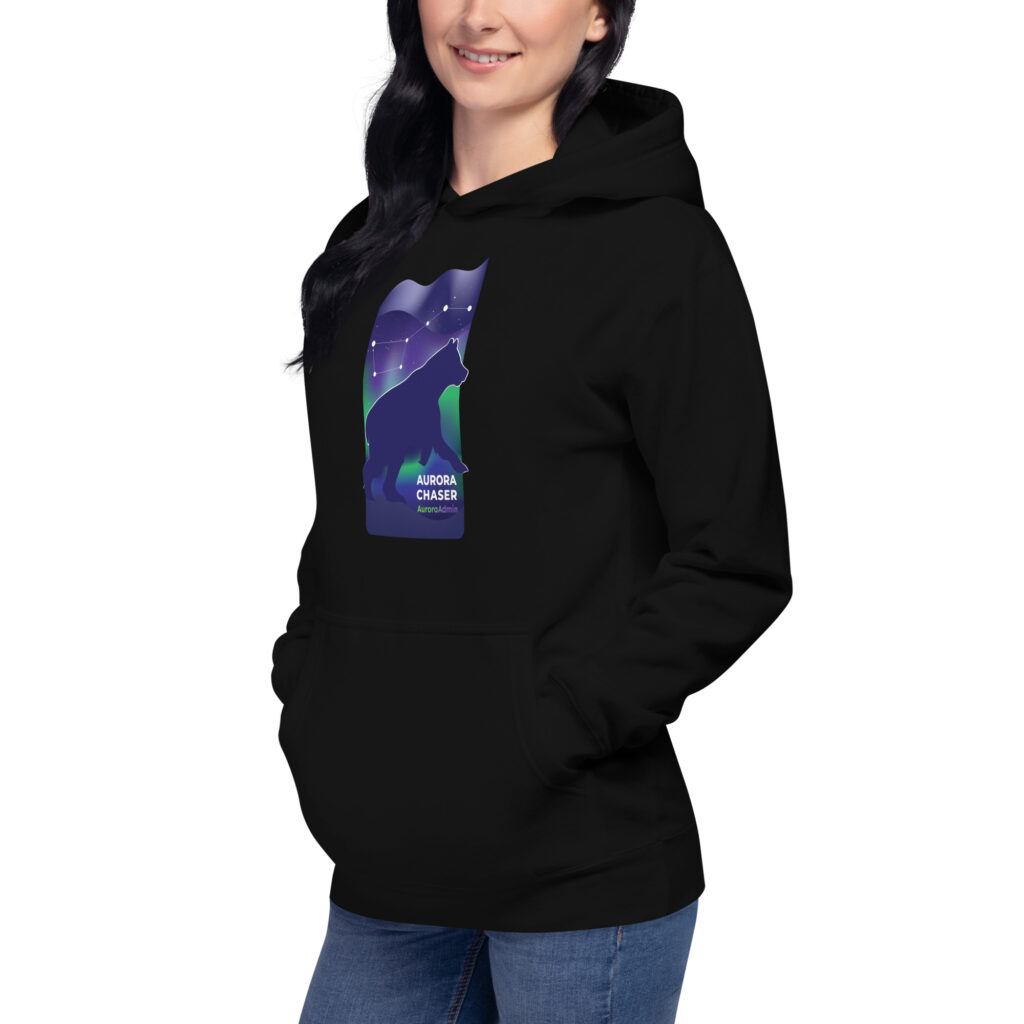
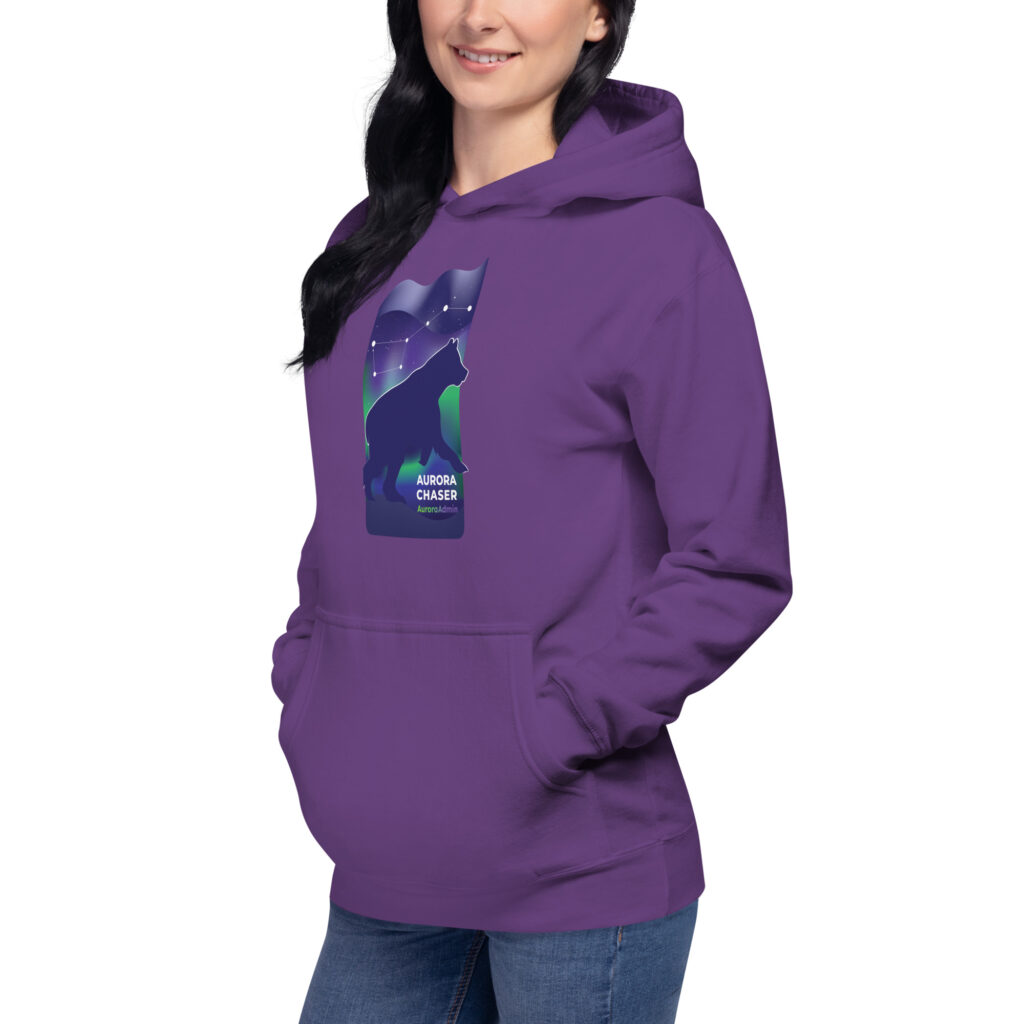
Price range: $38.95 through $44.95
Select options
This product has multiple variants. The options may be chosen on the product page
Substorm Phase: Quiet; Aurora Activity Score: 6/100
Stay ahead of the Northern Lights with real-time alerts. Subscribe now to receive a text or call whenever the aurora is active—so you never miss a moment of the show.
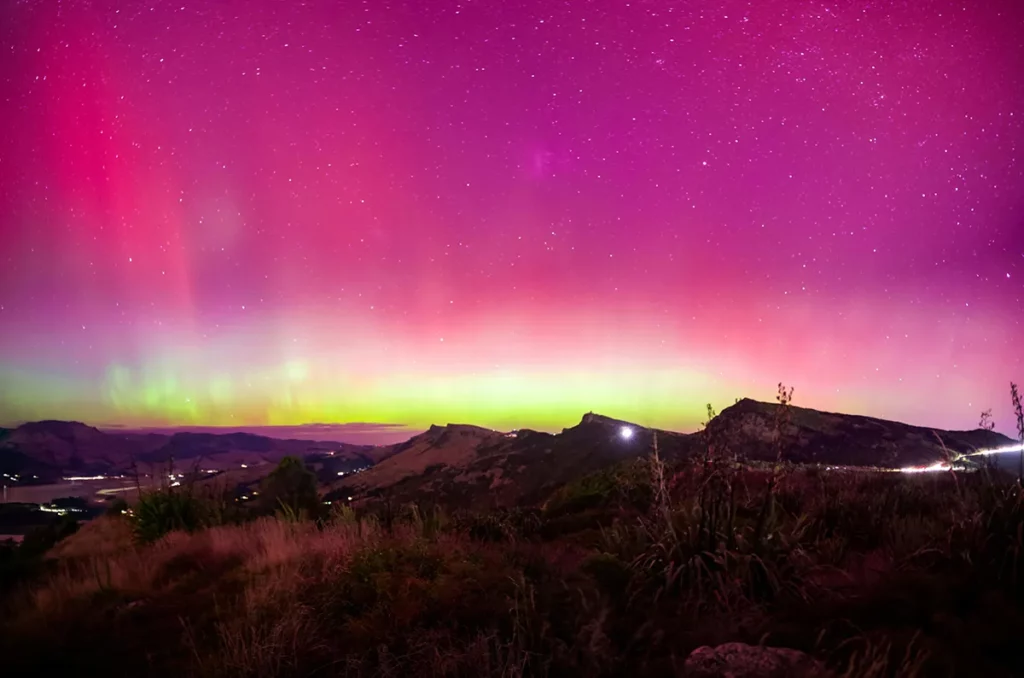
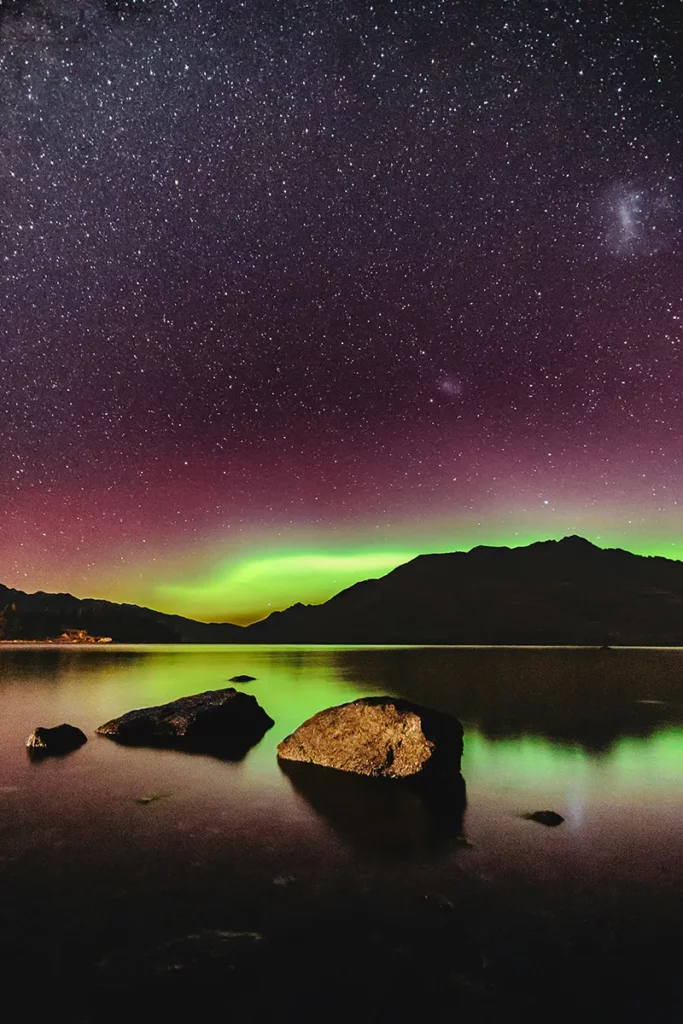
Can you see the aurora australis in Queenstown? Yes, regularly during strong geomagnetic activity. Queenstown sits at 45°S latitude in Central Otago. The southern lights appear over Queenstown and the surrounding mountains frequently. Local photographers capture stunning displays reflected in Lake Wakatipu with the Remarkables as backdrop. Wondering if you can see them tonight? Real-time solar wind monitoring gives you the answer.
Queenstown's alpine location provides unique aurora viewing opportunities. The combination of high altitude, dark sky access, and dramatic mountain scenery creates exceptional photography conditions. During major solar storms, the lights dance above the peaks while reflecting in the lake waters.
Queenstown's tourist infrastructure makes it an accessible base for aurora viewing. Numerous dark sky locations exist within short drives. The region combines adventure tourism with excellent astronomical viewing conditions.
Northern Hemisphere
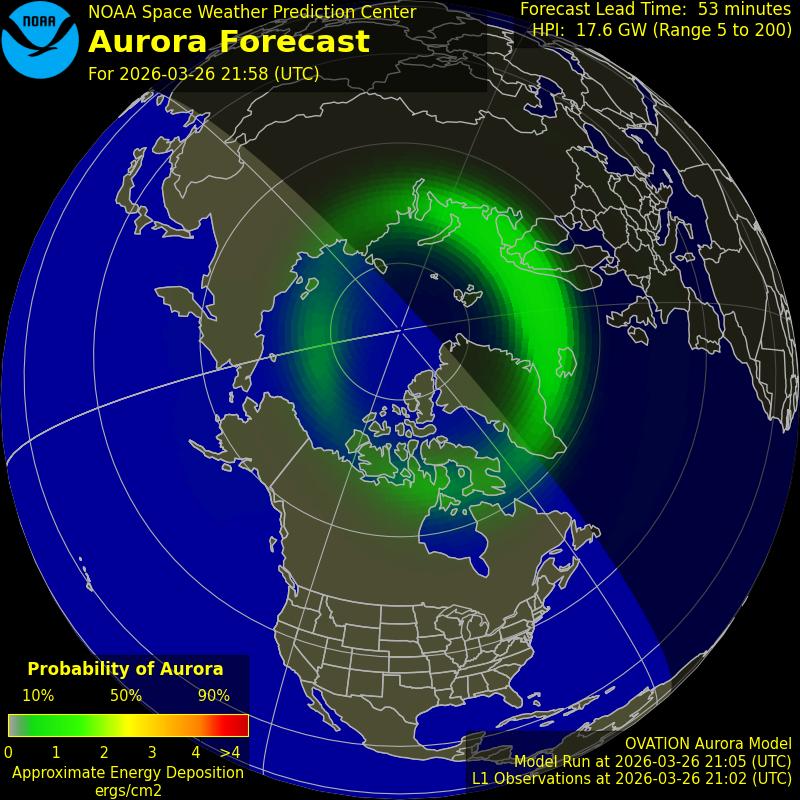
The aurora australis appears when charged particles from the sun hit Earth's magnetic field. Solar wind carries these particles across space. When conditions align, the magnetosphere funnels them toward the poles. This creates glowing curtains of light in our upper atmosphere.
Queenstown's latitude and altitude provide regular aurora opportunities. The auroral oval typically sits around 66°S latitude. Queenstown at 45°S catches displays during moderate to strong geomagnetic activity. The 310-meter elevation helps slightly with viewing conditions.
Traditional forecasts rely on the Kp index. That's a three-hour average that can miss rapid spikes in activity. We monitor real-time solar wind conditions. We watch the Bz component (southward magnetic field direction). We track wind speed and density. We check magnetometer readings. All in real time.
Our monitoring catches displays as they develop. You get alerts while there's still time to reach viewing locations.
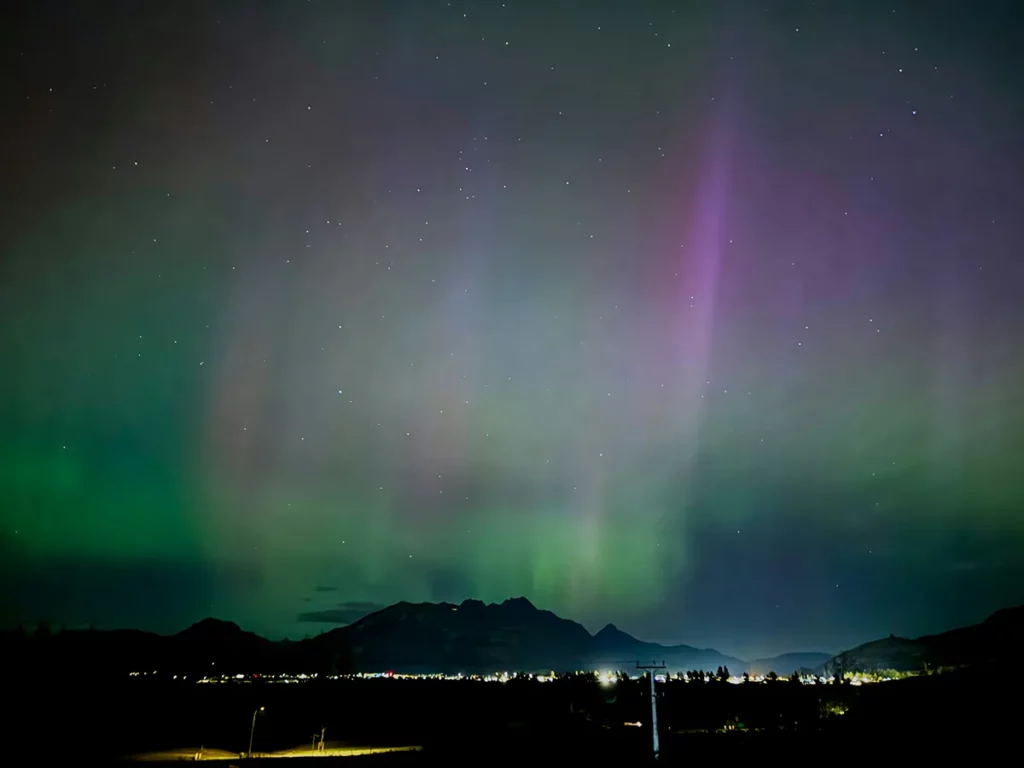
Queenstown and Central Otago offer exceptional alpine aurora viewing with dramatic scenery.
Provides accessible lakefront viewing within town. Walk to the gardens. Find spots along the southern shore facing across Lake Wakatipu. Some light pollution from town. But during strong displays, the convenience and lake reflections make it worthwhile.
Sits east of Queenstown with less urban light. Drive to Frankton. Park at the beach access. Walk to the water's edge facing south across the lake. The Remarkables provide dramatic backdrop. Lake reflections double the visual impact.
At the northern end of Lake Wakatipu offers darker skies. Allow 60 minutes from Queenstown at night. The winding road has several one-lane bridges and is prone to black ice and frost after dark. Drive to Glenorchy. The small settlement has minimal light pollution. Find lake access points facing south. The dramatic mountain scenery enhances aurora photography. Paradise area beyond Glenorchy provides even darker conditions.
Beyond the main waterfront: The Glenorchy-Paradise Road heading north from town provides several lakeshore access points with unobstructed southern views down Lake Wakatipu toward the Remarkables. Old wharf pilings along the shoreline create unique foreground elements with reflections. Light pollution from Glenorchy itself is minimal. These spots see far fewer visitors than the main waterfront area.
Scout during daylight to locate gravel turnouts and track access points along the Glenorchy-Paradise Road. Walk to the water's edge for clear southern views.
Terrain & Safety: Lakeshore tracks require careful walking in darkness. Use a quality headlamp, not just a phone light. Ground near the water is often boggy and uneven. Do not walk on any deteriorating wharf structures. The exposed lakeshore can be extremely windy. Secure tripods carefully.
Access road provides elevated viewing during non-winter months. Drive up the Remarkables Road. Park at designated viewpoints. The altitude and southern exposure create excellent conditions. Check road access and safety before attempting after dark.
Similarly offers elevated aurora opportunities. The ski field access provides high-altitude viewing. During displays, the elevation advantage helps you see above lower atmosphere effects.
Sits 25 minutes from Queenstown with reduced light pollution. Drive to Arrowtown via State Highway 6 (Ladies Mile). On frosty nights avoid Malaghans Road, which stays shaded longer and ices up well after sunrise. Find spots away from the historic town center. The surrounding hills create shelter from Queenstown's lights. Southern exposure toward the mountains.
Along the Kawarau River provides rural dark sky access. Drive toward Cromwell. Find pullouts with southern exposure. The valley's wine region combines with aurora viewing for unique Central Otago experiences.
Provides reflective water surfaces for aurora photography. Drive to Lake Hayes. Walk the track to southern vantage points. Less crowded than Lake Wakatipu locations. Good mountain backdrop.
Accessible via a short walk from a parking area off Hansen Road near Frankton. No four-wheel drive needed. The lake creates excellent dark sky conditions and reflective water surfaces for aurora photography.
Wright Lookout on Queenstown Hill (Te Tapu-nui) provides an elevated position above much of the town's light pollution. The lookout offers wide southern and eastern views over Lake Wakatipu toward the Remarkables. Access via the Queenstown Hill walkway. The elevated position gives better southern horizon visibility than lakefront sites within central Queenstown. Allow time to walk up before the display develops.
Sits at 1,121 metres on the highest sealed road in New Zealand. Drive Crown Range Road from Queenstown toward Wanaka. The summit area offers exceptional dark skies well above any valley light pollution with open southern and eastern horizons.
A roadside pullout on Crown Range Road with dark sky access and good views. Both locations are significantly colder than the valley floor. Check road conditions before heading out in winter. Snow and ice are common and the road can close in severe conditions.
We built our service to work with minimal internet connection. With a weak connection we can still send you substorm alerts to your phone via SMS.
Winter months from March through September offer the best chances. June and July provide the darkest nights. The equinox months of mid-March and mid-September often bring enhanced activity.
Time of night matters. Aurora displays typically peak between 10pm and 3am. The most intense activity often happens between midnight and 2am. Set your phone alerts to wake you.
Moon phase affects visibility. New moon periods offer the darkest skies. Our alerts account for moon brightness.
Weather conditions are critical. Queenstown's variable mountain weather creates challenges. Clear nights are essential. Check forecasts before heading out.
Real-time solar wind conditions matter most. Our monitoring catches displays whenever they develop.
Price range: $38.95 through $44.95

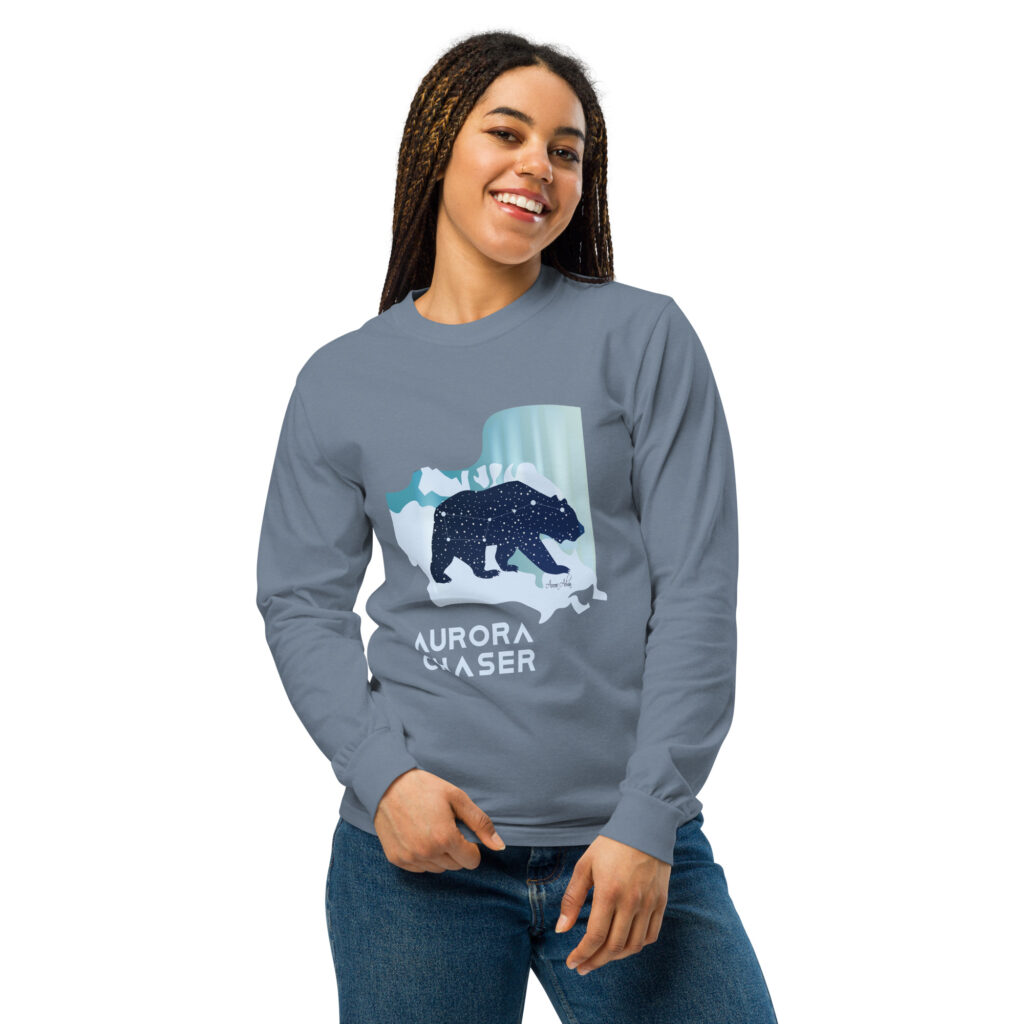
Price range: $33.95 through $40.95
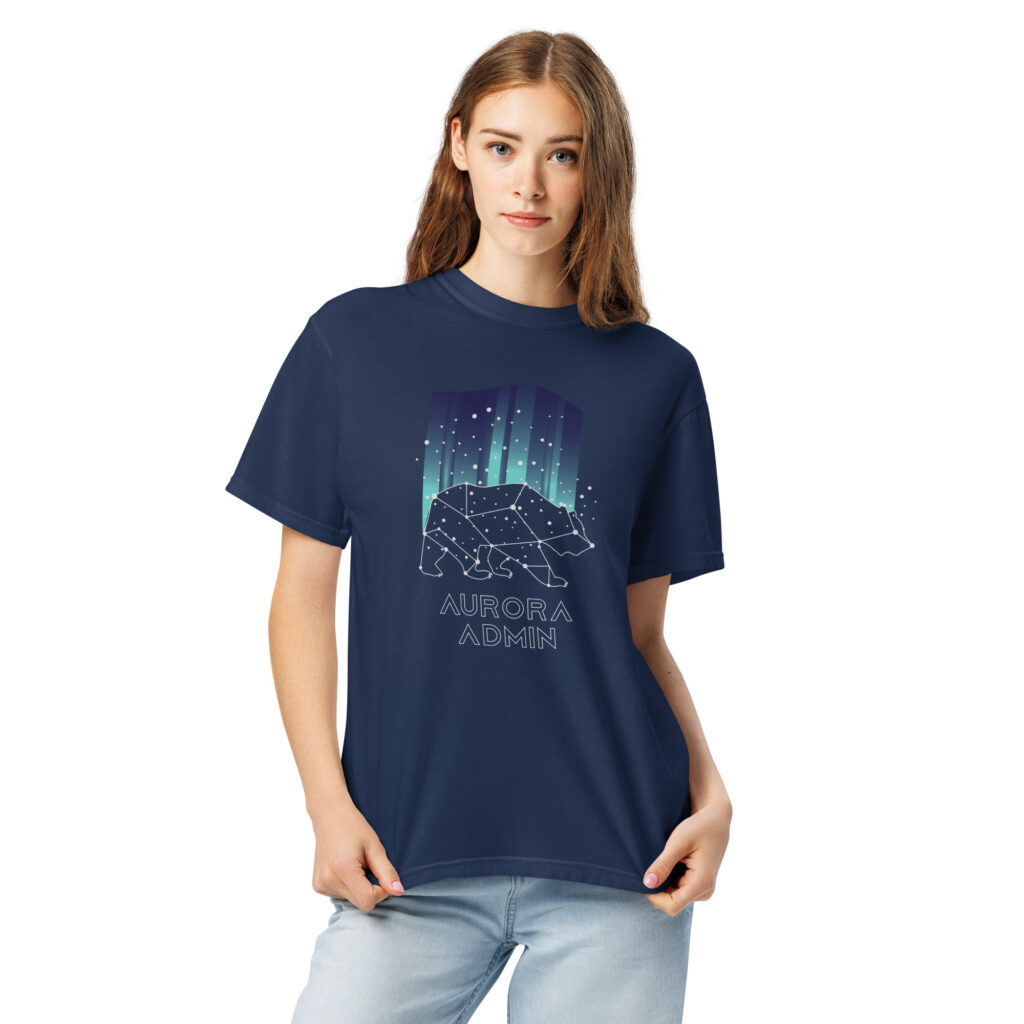
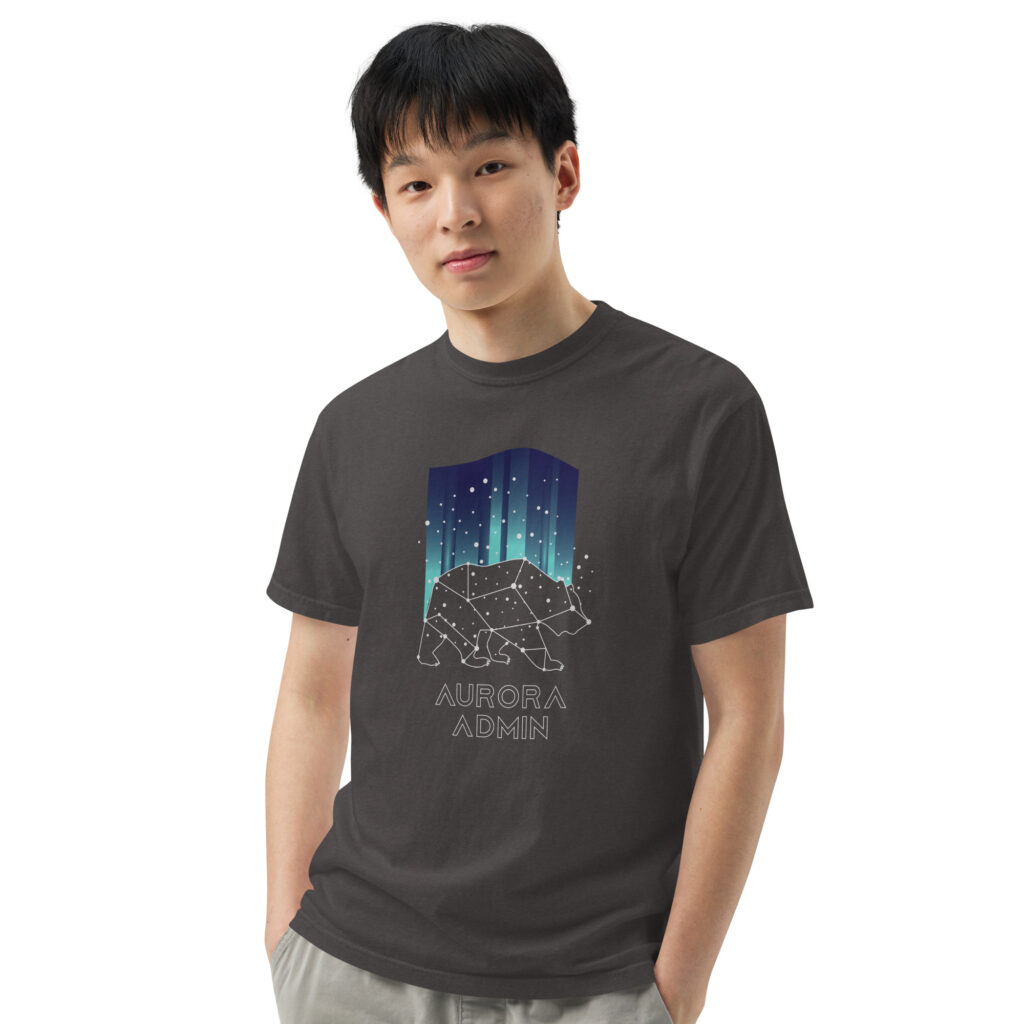
Price range: $29.95 through $37.95
Yes, you can see the southern lights in Queenstown regularly during strong geomagnetic activity. Queenstown sits at 45°S latitude. During major solar storms, aurora australis becomes visible. Local photographers capture displays reflected in Lake Wakatipu with mountain backdrops. Queenstown's alpine location creates unique photography opportunities.
Winter months from March through September offer the best chances. June and July provide optimal conditions. However, strong solar wind conditions can create displays at any time. Our real-time alerts work year-round.
For the best aurora viewing near Queenstown, head to Lake Wakatipu shores at Frankton Beach or Queenstown Gardens. Glenorchy 45 minutes away offers darker skies. Remarkables and Coronet Peak provide elevated viewing. Lake Hayes and Arrowtown deliver alternatives closer to town. Each location combines aurora viewing with stunning Central Otago scenery.
You know when aurora is happening in Queenstown tonight by monitoring real-time solar wind conditions and signing up for location-specific alerts. Our alerts give you 30-60 minutes advance warning before displays become visible from Queenstown, so you have time to grab your camera and drive to Glenorchy or Lake Wakatipu shores before the show starts.
Yes. Modern smartphones capture aurora photos. Enable night mode. Use a tripod. Set exposure time to 3-15 seconds. Turn off flash. Take lots of photos. The lake reflections and mountain scenery create stunning compositions.
To know if you can see the aurora tonight in Queenstown, check real-time solar wind conditions rather than forecasts. Our alerts monitor current solar wind data and notify you 30-60 minutes before displays become visible. Sign up for Queenstown-specific alerts to get notified whenever conditions align tonight or any night. Traditional forecasts can't tell you about tonight with certainty because aurora displays develop in real-time based on solar wind reaching Earth right now.
Queenstown sees aurora during solar maximum years like 2025-2026. Strong displays happen monthly or more during peak solar activity. Queenstown's latitude means it catches major events. Southern locations like Invercargill and Stewart Island see displays more frequently.
Be in the know with real-time monitoring for Queenstown's latitude. SMS alerts 30-60 minutes before displays begin.
Preparation makes the difference.
Aurora displays happen at night. During the day, position yourself for evening success while exploring Queenstown and Central Otago.
Fergbaker on Shotover Street opens at 6am for post-aurora breakfast. After shooting aurora at Glenorchy or Lake Wakatipu, head here for famous pies, Boston cream donuts, and croissants. The Bakery Queenstown also on Shotover Street opens at 6am. Sweet Coffee Trailer near the gondola base typically opens at 8am (check current hours before relying on it for a post-aurora visit).
Glenorchy and Lake Wakatipu shores require daytime scouting before night shoots. Drive to Glenorchy during afternoon light. Explore the Glenorchy-Paradise Road heading north from town to locate lakeshore access points and gravel turnouts with southern views down the lake. At Frankton Beach and Queenstown Gardens, scout lakefront access points with southern exposure. By evening, you'll know exactly where to set up for reflections with the Remarkables backdrop.
Queenstown Camera Company primarily serves the professional film industry but rents Sony Alpha series cameras (A7S III, A7R V) that are ideal for low-light aurora photography. Storyworks and Alpine Focus offer video, lighting, and photography equipment rental across Queenstown and Central Otago.
Skyline Stargazing at Bob's Peak (480m elevation) runs 60-minute tours with 11-inch Celestron telescopes. Note: the site sits directly above Queenstown's town lights, so it is not a true dark sky venue. Queenstown Stargazing operates at the Kawarau Gibbston Dark Sky Park (certified 2024), which is the premier dark sky option in the region, with 1.5-hour small group 360-degree tours.
New Zealand winter nights get cold in Central Otago. Alpine locations are significantly colder than coastal areas. Wear warm layers including a windproof jacket. Queenstown winters can drop below freezing. Bring a thermos with hot coffee or tea.
Pack your camera or smartphone with fully charged batteries. Cold drains batteries fast. Bring spares. A tripod or stable surface is essential for long exposure photography.
A red flashlight preserves your night vision. Bring a blanket or camping chair.
Modern smartphones capture aurora photos. Enable night mode. Use a tripod. Set exposure time to 3-15 seconds. Turn off flash. Point toward the southern horizon. Use wide-angle lens settings. The lake reflections and mountain silhouettes create spectacular compositions.
Black ice: Central Otago temperatures drop rapidly after sunset. Mountain road sections, especially the Queenstown to Glenorchy road and routes toward the Remarkables, can develop invisible black ice even when the road looks only wet. Assume ice on any road in shadow.
Snow chains: Carry chains if heading to the Remarkables or Coronet Peak access roads. Rental companies provide them. Practice fitting them during daylight before you need to do it at 2am.
Fuel: Never head out on an aurora hunt with less than half a tank. If a road closes or conditions deteriorate, you'll need the engine running to stay warm.
Road conditions: Check the QLDC (Queenstown Lakes District Council) road report. The previous morning's report tells you which roads had ice that day.
Cell coverage: Signal drops out past Bennett's Bluff on the road to Glenorchy. Tell someone your specific destination and expected return time before leaving.
Tell someone where you're going. Mountain weather changes rapidly. Check forecasts. Drive carefully on mountain roads at night.
Aurora forecasting has changed. We use modern technology to give you better information faster.
Traditional aurora forecasts rely on the Kp index. That's a three-hour average that can miss rapid spikes in geomagnetic activity. Aurora displays can develop, peak, and fade faster than those averages update.
We monitor solar wind conditions as they happen. Right now. Satellites at the L1 Lagrange point, about 1 million miles from Earth, send us data. We see what's coming 30-60 minutes before it arrives. That's when we send your alert.
We don't look at just one number. Our algorithm checks multiple pathways. Southward Bz component (magnetic field direction). Solar wind speed. Particle density. Magnetometer readings from multiple sources.
When all pathways indicate aurora conditions for Queenstown, you get an alert.
This comprehensive approach catches displays that single-metric forecasts miss. When conditions align, Queenstown aurora chasers get outside. Hundreds have captured the moment.
You're joining a community of curious people who value authentic experiences. People who love nature. Who want to share wonder with friends and family.
The aurora doesn't follow the news cycle. It happens when real-time solar wind conditions align. We help you catch it when it actually occurs.
Stop relying on outdated forecasts. Get alerts before the aurora arrives.
We monitor solar wind conditions in real-time from satellite data at the L1 Lagrange point, about 1 million miles from Earth. When conditions indicate aurora visibility for Queenstown, you get an SMS alert.
Tell us where you are. Central Queenstown? Glenorchy? We customize alerts based on your location. You get alerts when Queenstown has a real chance.
When solar wind conditions align for Queenstown visibility, your phone buzzes. You have time to grab your camera and drive to Lake Wakatipu or Glenorchy. Join hundreds of Queenstown aurora chasers who rely on our alerts.
Traditional forecasts use the Kp index. That's a three-hour average that can miss rapid spikes. We watch what's happening right now. Southward Bz component. Solar wind speed. Particle density readings. Magnetometer data. This multi-pathway analysis gives you 30-60 minute advance warning.
Less than a latte. Way better than missing the lights!
Everything you need to catch the auroras at your location.
Less than a fast food meal. Never miss a display.
Lock in your alerts for a full aurora season and save.