


Price range: $33.05 through $40.95
Select options
This product has multiple variants. The options may be chosen on the product page
Substorm Phase: Quiet; Aurora Activity Score: 6/100
Stay ahead of the Northern Lights with real-time alerts. Subscribe now to receive a text or call whenever the aurora is active—so you never miss a moment of the show.
Can you see the southern lights in Melbourne? Yes, and more often than you'd think. While Melbourne sits further north than Tasmania, strong aurora australis displays reach Victoria regularly. Most Melburnians have no idea the southern lights appear above their city. Wondering if you can see them tonight? Real-time solar wind monitoring gives you the answer.
Recent displays in January 2026 lit up Victorian skies. The strongest solar storm since 2003 brought spectacular aurora australis sightings from Werribee South to the Mornington Peninsula. Our alerts gave Melbourne aurora chasers 45 minutes warning. They reached coastal viewing spots before the show started.
Melbourne sits at 38°S latitude. During powerful geomagnetic storms, the auroral oval expands north. That's when aurora australis becomes visible from Victoria. You need to escape city lights and find clear southern horizons. The right coastal locations exist closer than you think.
Northern Hemisphere
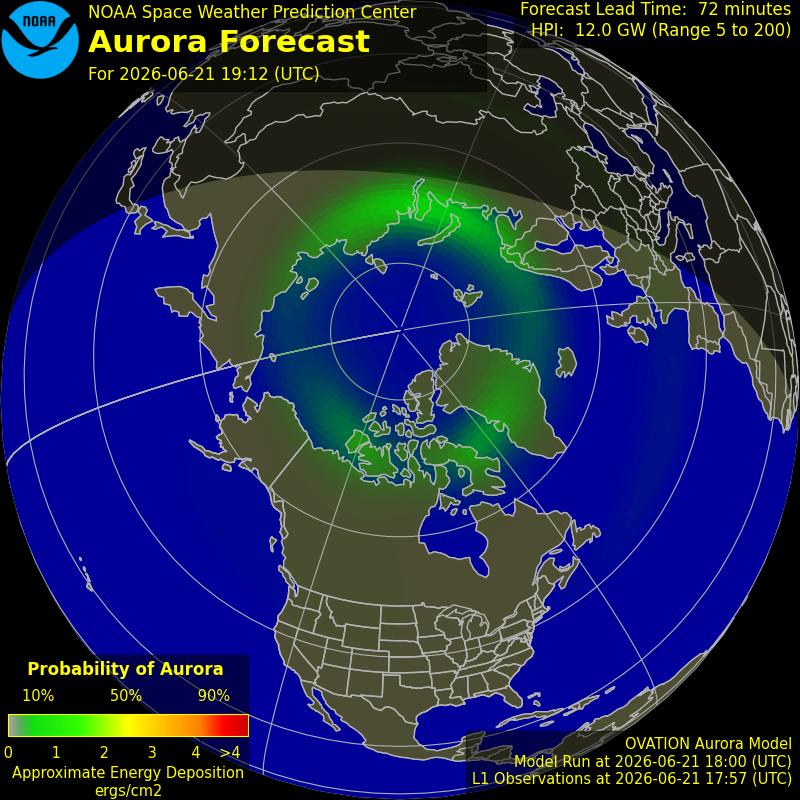
The aurora australis appears when charged particles from the sun hit Earth's magnetic field. Solar wind carries these particles across 98 million miles of space. When conditions align, the magnetosphere funnels them toward the poles. This creates glowing curtains of light in our upper atmosphere.
Coronal mass ejections can make displays even more intense.
Melbourne's southern coastal location provides aurora opportunities during strong geomagnetic activity. The auroral oval typically sits around 66°S latitude. During major storms, it expands dramatically northward. Victoria sits in the path of these expansions. Aurora australis sightings in Victoria range from faint green glows on the southern horizon to full overhead curtain displays during major storms.
Here's why most people miss them. Traditional forecasts rely on the Kp index. That's a retrospective measurement. It reports what happened three hours ago. Not what's happening now.
The sun doesn't wait for old data. By the time Kp updates, the display might be over.
We monitor real-time solar wind conditions from the Space Weather Prediction Center and other sources. We watch the Bz component (magnetic field direction). We track wind speed and density. We check magnetometer readings. All in real time. Not hours later.
Our real-time monitoring catches displays as they develop. You get alerts while there's still time to reach the coast.
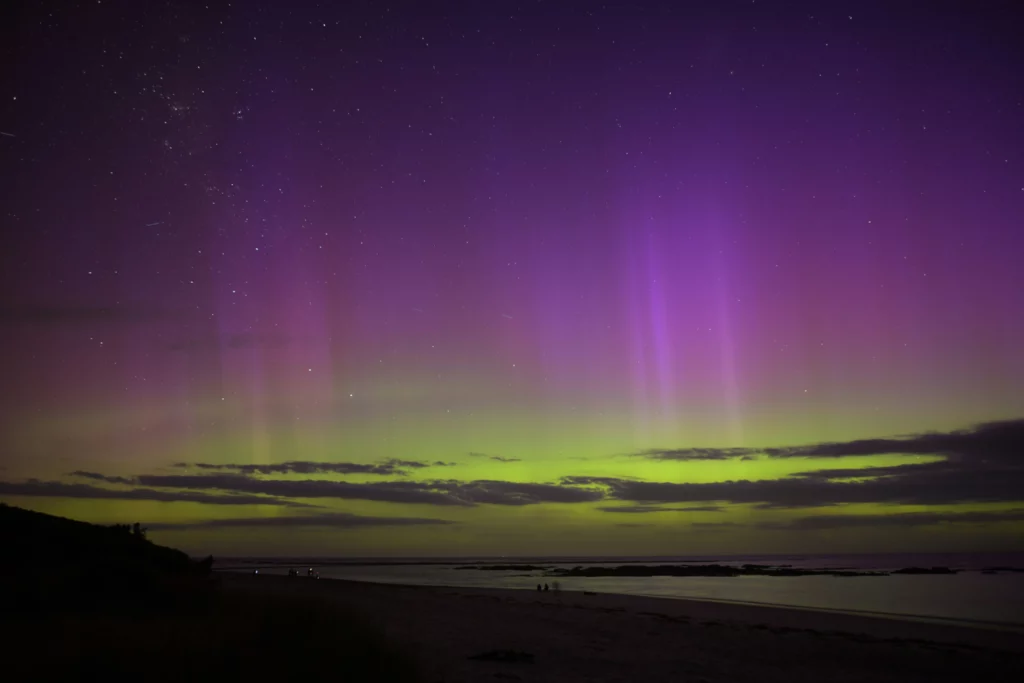
Melbourne's coastal locations offer the best aurora viewing when you escape city light pollution and find southern ocean views. Southern lights Victoria sightings cluster along these coastlines — the Mornington Peninsula, Phillip Island, and the bayside suburbs all have dedicated aurora hunters who know exactly where to go.
The Mornington Peninsula delivers Melbourne's best dark sky coastal access. Drive 60-90 minutes from the CBD. You'll find numerous spots with southern ocean exposure.
Sits at the peninsula's southern tip with dramatic ocean views. The lighthouse area provides southern exposure away from light pollution. Park at the main visitor parking area. Walk to the coastal lookout points. During aurora events, the elevation advantage helps.
Offers wide-open southern horizon views. The long stretch of sandy beach allows diverse photography angles. The flat terrain provides easy access along the shoreline. Park along Cook Street near the beach access points. Walk to the waterline. Minimal light pollution. Direct southern ocean views.
Provides elevated viewing from the lookout area. Drive to Point Leo Road and Potts Road intersection. The lookout faces south over the ocean. Less crowded than the main beaches.
Sits on the ocean side of the peninsula facing south. Popular with local surfers but quiet at night. Park at the main beach parking area. Walk to the high tide line. Perfect southern horizon.
Features an iconic lighthouse and picturesque setting at the entrance to Port Phillip Bay. The headland provides excellent southern exposure with minimal light pollution. Park near the lighthouse area. The elevated position offers clear horizon views. This location combines natural beauty with practical aurora viewing advantages.
Local secret: Skip the crowded Cape Schanck and Flinders beaches. Head instead to Bridgewater Bay between Rye and Blairgowrie. Not marked on most tourist maps. Point Nepean Road is the main artery through the peninsula. Turn off at St Johns Wood Road to reach the ocean side back-beaches. Watch for the small Bridgewater Bay sign. Look for the gravel pullout with weathered bollards marking the track entrance.
Park at the pullout. Walk 200 meters down the sandy track through coastal scrub. You'll reach a secluded bay with rocky outcrops. Perfect southern ocean exposure. Zero artificial light. Local Mornington Peninsula photographers gather here during aurora events. Almost nobody else knows about it. The bay's sheltered position blocks western light pollution from surrounding areas.
Terrain & Safety: The sandy track provides easy walking access to the bay. Rocky granite outcrops create natural photography platforms. The bay is sheltered but watch footing on uneven rocks in darkness. Scout the track and bay layout in daylight if unfamiliar. The coastal position can be windy at night. Secure tripods well. Cell reception may be limited in this sheltered location. Tell someone where you're going. The ocean side of the peninsula faces Bass Strait and has much more dangerous swells and cliffs than the bay side facing Port Phillip Bay. Stay well back from cliff edges and don't turn your back on the ocean. The rock pools at Bridgewater Bay are best explored at low tide. For aurora photography, some water in the bay creates stunning reflections of the lights above.
Offers quieter access than the main peninsula beaches. Western Port side provides different viewing angles. Less light pollution from nearby towns.
Faces south toward Bass Strait. Easily accessible from Rye township. Park along the foreshore. Walk to less-populated sections for darker views.
The southern side of Phillip Island offers natural beauty and clear southern horizon views. This location sits roughly 90 minutes from Melbourne's CBD. The island's southern coast faces Bass Strait directly. During aurora events, the combination of dark skies and unobstructed ocean views creates ideal conditions. Popular access points include Woolamai Beach and Cape Woolamai. The island's natural environment and minimal development mean less light pollution. Pack warm layers as coastal winds can be strong.
Stands out as Melbourne's premier in-city aurora viewing location. This bayside spot offers southern horizon views with less light pollution than inner suburbs. Located approximately 20 minutes from Melbourne's CBD. The rocky shoreline and elevated viewing areas provide good vantage points. Park near the reserve and walk to the waterfront. During strong aurora displays, this location delivers surprisingly good visibility despite being closer to the city.
Provide viewing locations within 30-40 minutes of Melbourne's CBD. Port Phillip Bay faces south. During strong displays, these locations work despite being closer to city lights. Drive to the beach parking areas. Find spots away from streetlights. The southern bay views deliver decent aurora visibility during powerful events.
Catches only the strongest displays due to city light pollution. But during exceptional events like January 2026's storm, even St Kilda viewers spotted the lights. Walk to the pier area for slightly better southern views.
Real-time monitoring for Melbourne's latitude.
Winter months from May through August offer the best chances. Longer nights provide more viewing hours. The cooler months deliver darker, clearer skies. June and July typically provide optimal conditions.
The equinox months also bring opportunities. March and September often coincide with increased geomagnetic activity. Aurora displays frequently pick up during these transitional periods.
Time of night matters. Aurora displays typically peak between 11:00 PM and 3:00 AM AEDT. The most intense activity often happens between midnight and 2am. Set your phone alerts to wake you. Missing the peak because you went to bed early is frustrating.
Moon phase affects visibility. A bright full moon washes out fainter aurora colors. New moon periods offer the darkest skies. Our alerts account for moon brightness when calculating Melbourne visibility.
Weather conditions are critical. Clouds block everything. Cold, clear winter nights are ideal. Check Melbourne's weather forecast before heading to the coast. Victoria's weather changes quickly. If clouds are predicted, the aurora might be happening above them. But you won't see it.
Here's the truth though. Real-time solar wind conditions matter more than seasonal patterns. Aurora displays happen when conditions align. Not when calendars say they should. Our real-time monitoring catches displays whenever they develop. No aurora season is the same — each one follows the rhythm of solar activity, not the calendar. Any time conditions align, you'll know.
Price range: $33.05 through $40.95

Price range: $38.95 through $44.95


Price range: $29.95 through $37.95
Yes, you can see the southern lights in Melbourne during strong geomagnetic activity. Melbourne sits at 38°S latitude. During powerful solar storms, the auroral oval expands north. That's when aurora australis becomes visible from Victoria. The January 2026 event proved this. Melbourne aurora chasers captured southern lights from Mornington Peninsula, Werribee South, and coastal locations throughout greater Melbourne.
The best time of year to see aurora australis in Melbourne is during winter months from May through August. Longer nights provide more viewing hours. The cooler months deliver darker skies. The equinox months of March and September also bring increased opportunities. However, strong solar wind conditions can create displays at any time. Our real-time alerts work year-round to catch displays whenever they develop.
For the best aurora viewing near Melbourne, head to the Mornington Peninsula locations like Point Lonsdale, Cape Schanck, or Bridgewater Bay. Phillip Island's southern coast also delivers excellent viewing conditions. In Melbourne itself, Rickett's Point in Beaumaris stands out as the premier in-city location. Closer western options include Werribee South and Point Cook with Port Phillip Bay views. The key is getting away from Melbourne's light pollution and finding clear southern horizons. Even 60-90 minutes to the Mornington Peninsula makes a significant difference. Local aurora hunters on the peninsula know these spots well — you'll often find tripods already set up when an aurora alert goes out.
You know when aurora is happening in Melbourne tonight by monitoring real-time solar wind conditions and signing up for location-specific alerts. Unlike the Kp index, which reports geomagnetic activity from three hours ago, real-time monitoring watches solar wind as it reaches Earth right now. Our alerts give you 30-60 minutes advance warning before displays become visible from Melbourne, so you have time to grab your camera and drive to Bridgewater Bay or the Mornington Peninsula before the show starts.
Yes, you can photograph the aurora with your smartphone using night mode or long exposure settings. Modern smartphones have capable night photography modes. Use a tripod or stable surface. Enable night mode and let the camera expose for 3-10 seconds. Turn off flash. The camera will capture colors your eyes might miss. For best results, use a DSLR or mirrorless camera. But smartphone photos from Mornington Peninsula's dark locations can be stunning.
To know if you can see the aurora tonight in Melbourne, check real-time solar wind conditions rather than forecasts. Our alerts monitor current solar wind data and notify you 30-60 minutes before displays become visible. Sign up for Melbourne-specific alerts to get notified whenever conditions align tonight or any night. Traditional forecasts can't tell you about tonight with certainty because aurora displays develop in real-time based on solar wind reaching Earth right now.
Melbourne sees aurora less frequently than Hobart or Tasmania but more often than people realize. During solar maximum years like 2025-2026, strong displays visible from Melbourne happen several times annually. Moderate displays require darker locations like the Mornington Peninsula. Our alerts ensure you don't miss displays when conditions align.
Be in the know with real-time monitoring for Melbourne's latitude. SMS alerts 30-60 minutes before displays begin.
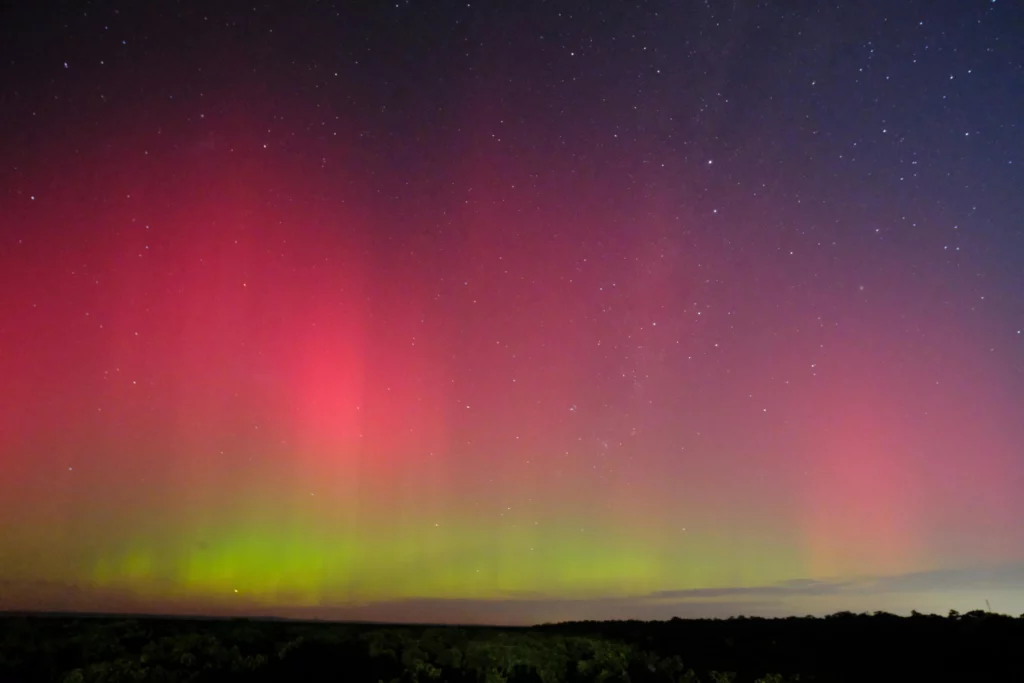
Preparation makes the difference between missing the display and capturing memories that last forever.
Aurora displays happen at night. During the day, position yourself for evening success while exploring Melbourne and the Mornington Peninsula.
Commonfolk Coffee in Mornington opens at 6:30am Monday through Friday for post-aurora breakfast. This is perfect timing for returning from Bridgewater Bay or peninsula beaches after shooting aurora. The cafe sits at 16 Progress Street in Mornington, 10 minutes from most coastal viewing locations. Early opening means fresh coffee when you need it most after a night of aurora photography. The central peninsula location makes it convenient from all southern viewing spots.
Bridgewater Bay and Mornington Peninsula beaches deserve daytime visits before shooting there at night. Scout Bridgewater Bay in afternoon light. Drive down Point Nepean Road, turn at St Johns Wood Road, and locate the weathered bollards and gravel pullout during daytime. Walk the sandy track to the bay. Check the rocky outcrops and identify safe footing. At St Kilda Pier and Brighton Beach, check tide times for evening viewing. Walk the locations to find ideal shooting positions away from any lights. By evening, you'll know exactly where to set up.
Cameraquip on Clarendon Street in South Melbourne rents professional camera equipment and tripods. The 38-year-old facility specializes in professional photography gear perfect for aurora long-exposure work. They're located at 434 Clarendon Street. Call ahead to reserve specialized equipment for evening shoots. Michaels Camera Hire, Offshoot Rentals, and Borge's Imaging in Port Melbourne also offer photography equipment hire.
Scienceworks Melbourne Planetarium at 2 Booker Street in Spotswood features a 16-meter dome with evening astronomy sessions. The 7:30pm planetarium shows explain southern sky phenomena and aurora dynamics. Sessions provide excellent context for understanding what you'll see. This daytime activity adds scientific depth to your evening viewing. Melbourne Observatory at Royal Botanic Gardens runs public observing nights with Astronomical Society of Victoria guides. Mornington Peninsula Astronomical Society connects local aurora chasers and hosts regular observing events.
Melbourne winter nights get cold. Especially at coastal locations with ocean breezes. Wear warm layers including a windproof jacket. Mornington Peninsula beaches can be significantly windier than inland Melbourne. Bring a thermos with hot coffee or tea.
Pack your camera or smartphone with fully charged batteries. Cold drains batteries fast. Bring spares. A tripod or stable surface is essential for long exposure photography.
A red flashlight preserves your night vision while helping you navigate safely. Red light doesn't interfere with seeing the aurora.
Bring a blanket or camping chair. Aurora displays can last one to three hours. You'll want to sit comfortably while watching.
Modern smartphones capture stunning aurora photos. Enable night mode or long exposure mode in your camera settings. Most recent iPhones and Android devices have this built in.
Use a tripod or prop your phone against something stable. Any movement blurs the image.
Set exposure time to 3-15 seconds. Brighter displays need shorter times. Experiment and see what works.
Turn off flash completely. Flash does nothing for aurora photography except ruin your shots.
Point toward the southern horizon where the aurora appears. Wide-angle lenses capture more sky. Use your phone's widest lens setting.
Take lots of photos. The aurora changes constantly. What looks faint to your eyes might show vibrant greens and purples in the camera.
Tell someone where you're going. Especially when heading to remote Mornington Peninsula locations late at night. Cell service can be spotty in some coastal areas.
Watch for wildlife. Kangaroos are active at night throughout Victoria's coastal regions. Drive carefully on rural roads. Particularly around the Mornington Peninsula.
Check tide times for beach locations. Some viewing spots can be cut off during high tide. Don't get stranded on rocky outcrops.
Victoria's coastal weather changes rapidly. Bring extra layers even if conditions seem mild. Ocean breezes make temperatures feel significantly colder than Melbourne's forecast.
Mornington Peninsula offers excellent accommodation options close to aurora viewing locations. Staying at Rye, Blairgowrie, or Flinders puts you minutes from dark sky beaches. When alerts arrive, you can reach viewing spots quickly.
Closer to Melbourne, Werribee and western suburbs provide faster access to Point Cook and Werribee South viewing locations.
Aurora forecasting has changed. We use modern technology to give you better information faster.
Traditional aurora forecasts rely on the Kp index. That's a measurement from three hours ago. Think about that. Three hours old.
The sun doesn't wait. Aurora displays can develop, peak, and fade faster than Kp updates.
We monitor solar wind conditions as they happen. Right now. Satellites 98 million miles from Earth send us data. We see what's coming 30-60 minutes before it arrives. That's when we send your alert.
We don't look at just one number. Our algorithm checks multiple pathways. Bz component (magnetic field direction). Solar wind speed. Particle density. Magnetometer readings from multiple sources.
When all pathways indicate aurora conditions for Melbourne, you get an alert.
This comprehensive approach catches displays that single-metric forecasts miss. When all pathways align, our alerts go out. Melbourne aurora chasers get outside. Hundreds have captured the moment.
You're not just getting alerts. You're joining a community of curious, adventurous people who value authentic experiences. Women and men who love nature. Who want to share wonder with friends and family. Who create memories that last forever.
The aurora doesn't follow the news cycle. It happens when real-time solar wind conditions align. We help you catch it when it actually occurs.
Stop relying on outdated forecasts. Get alerts before the aurora arrives.
We monitor solar wind conditions in real-time from satellite data 98 million miles away. When conditions indicate aurora visibility for Melbourne, you get an SMS alert. Our proprietary algorithm works even with weak cell signals. Perfect for remote Mornington Peninsula locations.
Traditional forecasts use the Kp index. That's retrospective data. We watch what's happening right now. Bz component direction. Solar wind speed. Particle density readings. Magnetometer data. Unlike a generic aurora australis forecast, our alerts are calibrated for Melbourne's specific latitude; not averaged across the whole southern hemisphere.
Tell us where you are. Melbourne CBD? Bayside suburbs? Mornington Peninsula? We customize alerts based on your specific location. You won't get false alarms for aurora displays only visible from Tasmania. You get alerts when Melbourne has a real chance.
When solar wind conditions align for Melbourne visibility, your phone buzzes. You have time to grab your camera and drive to the Mornington Peninsula or Werribee South. Join hundreds of Melbourne aurora chasers who rely on our alerts.
Less than a latte. Way better than missing the lights!
Everything you need to catch the auroras at your location.
Less than a fast food meal. Never miss a display.
Lock in your alerts for a full aurora season and save.