
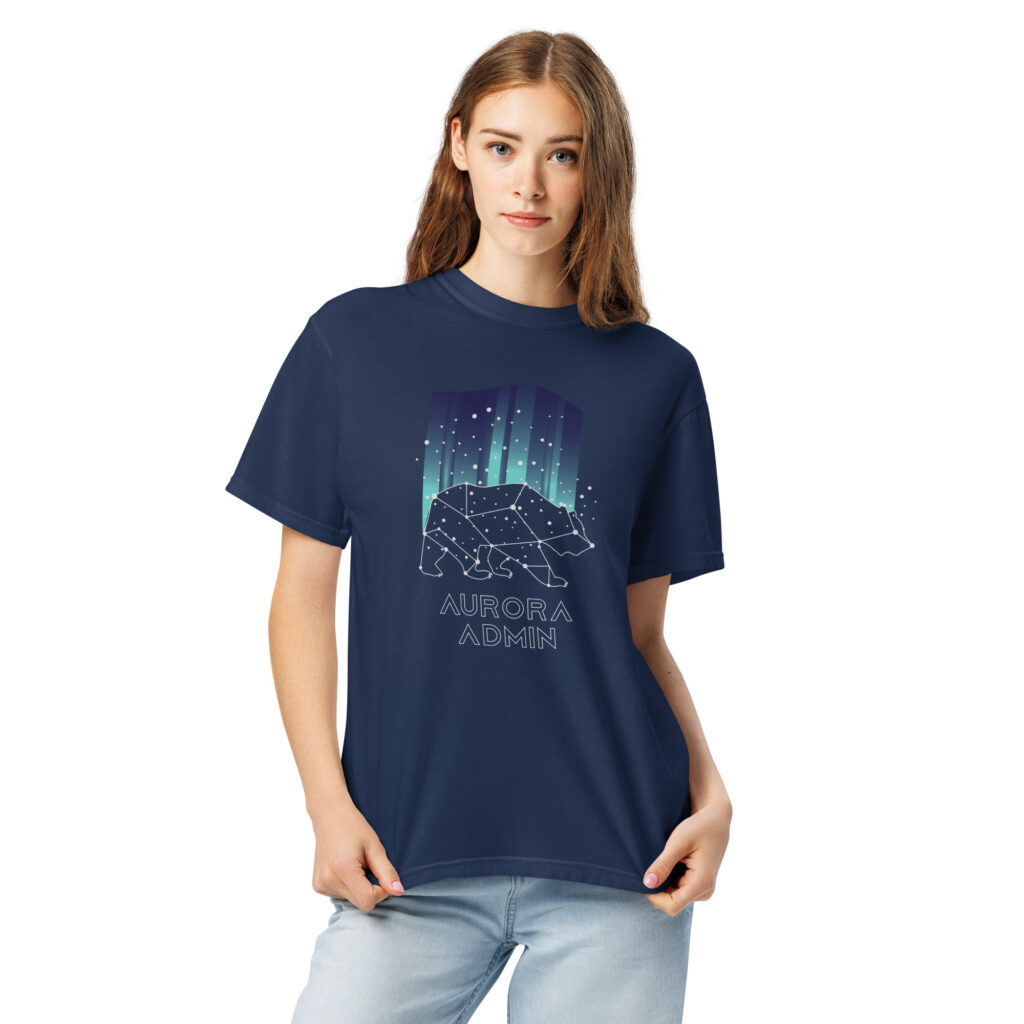
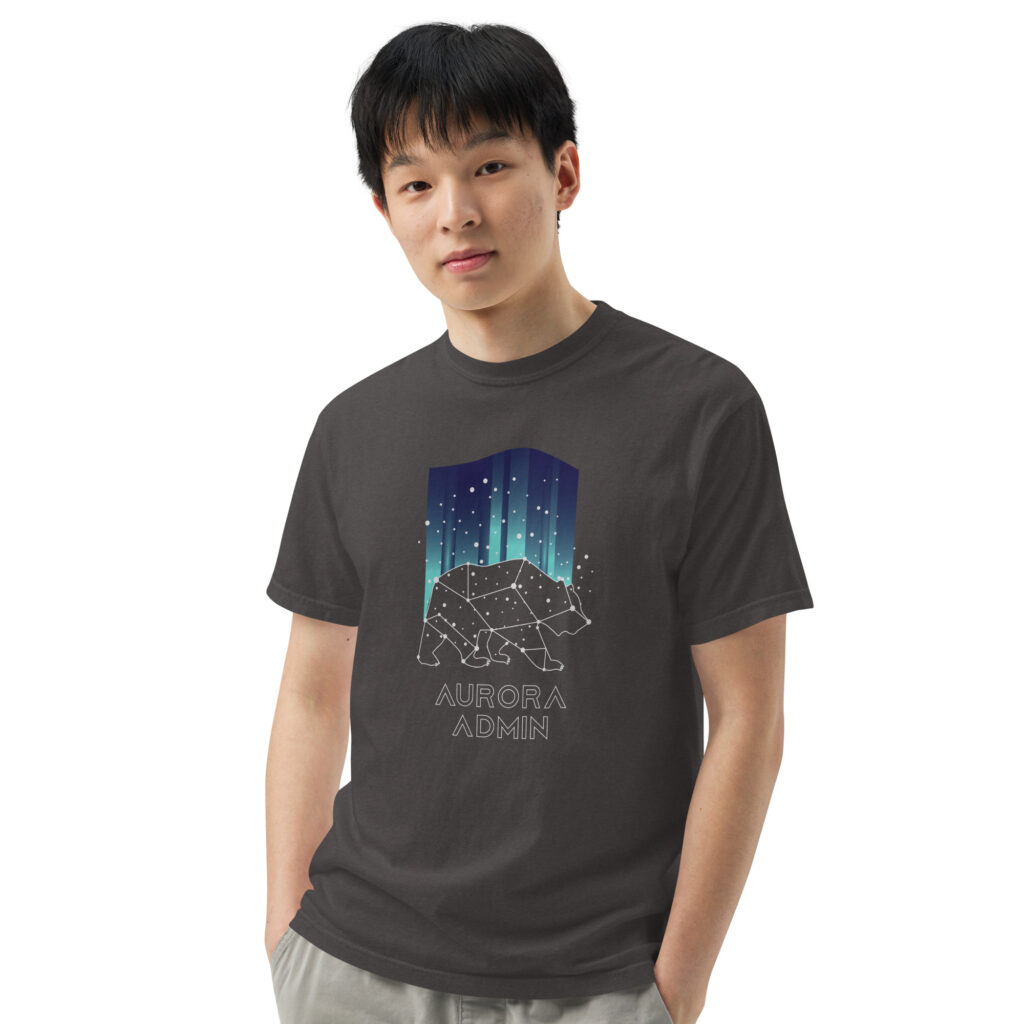
Price range: $29.95 through $37.95
Select options
This product has multiple variants. The options may be chosen on the product page
Substorm Phase: Quiet; Aurora Activity Score: 5/100
Stay ahead of the Northern Lights with real-time alerts. Subscribe now to receive a text or call whenever the aurora is active—so you never miss a moment of the show.
Can you see the southern lights in New Zealand? Yes, and more often than most Kiwis realize. While aurora australis displays happen regularly across New Zealand, most people miss them. Traditional forecasts rely on outdated data. Real-time solar wind monitoring changes everything.
During the current solar maximum period (2024-2026), strong geomagnetic activity has brought spectacular aurora australis displays across New Zealand. South Island locations see regular activity. The strongest storms reach central North Island. Our alerts give New Zealand aurora chasers 30-60 minutes warning. They reach viewing locations before the show starts.
New Zealand's southern location provides excellent aurora opportunities. The South Island sits between 41°S and 47°S latitude. During powerful geomagnetic storms, the auroral oval expands north. That's when aurora australis becomes visible across New Zealand. Even Auckland at 37°S catches the strongest displays.
Northern Hemisphere
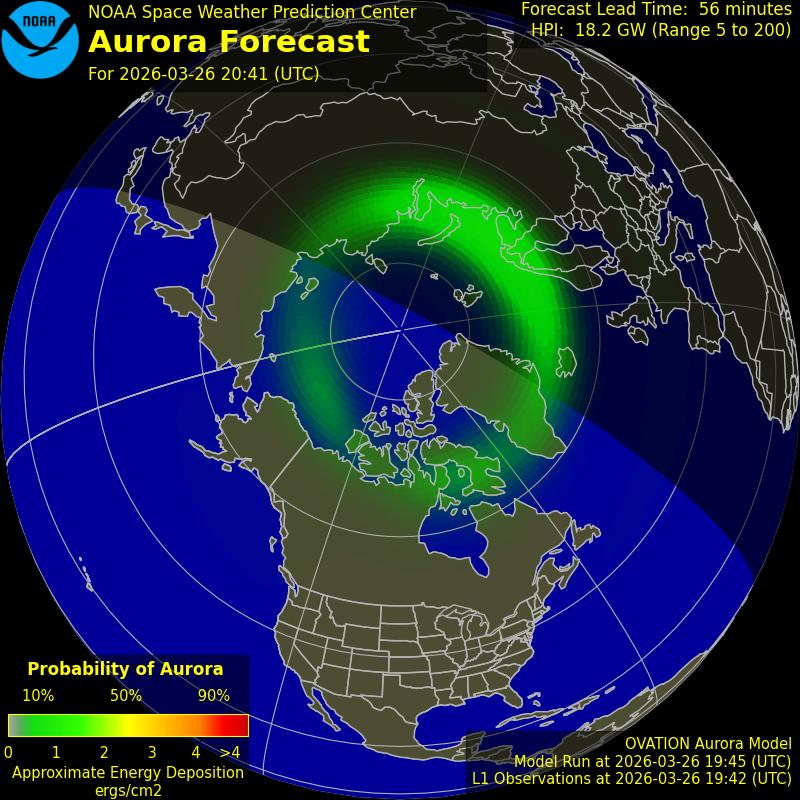
The aurora australis appears when charged particles from the sun hit Earth's magnetic field. Solar wind carries these particles across space. When conditions align, the magnetosphere funnels them toward the poles. This creates glowing curtains of light in our upper atmosphere.
Coronal mass ejections can make displays even more intense.
New Zealand's position in the Southern Hemisphere provides front-row seats to aurora activity. The auroral oval typically sits around 66°S latitude. During major storms, it expands dramatically northward. New Zealand sits in the path of these expansions.
Here's why most people miss them. Traditional forecasts rely on the Kp index. That's a three-hour average that can miss rapid spikes in activity. By the time those averages update, the most intense part of the display might be over.
We monitor real-time solar wind conditions from the Space Weather Prediction Center and other sources. We watch the Bz component (southward magnetic field direction). We track wind speed and density. We check magnetometer readings. All in real time. Not hours later.
Our real-time monitoring catches displays as they develop. You get alerts while there's still time to reach your viewing location.
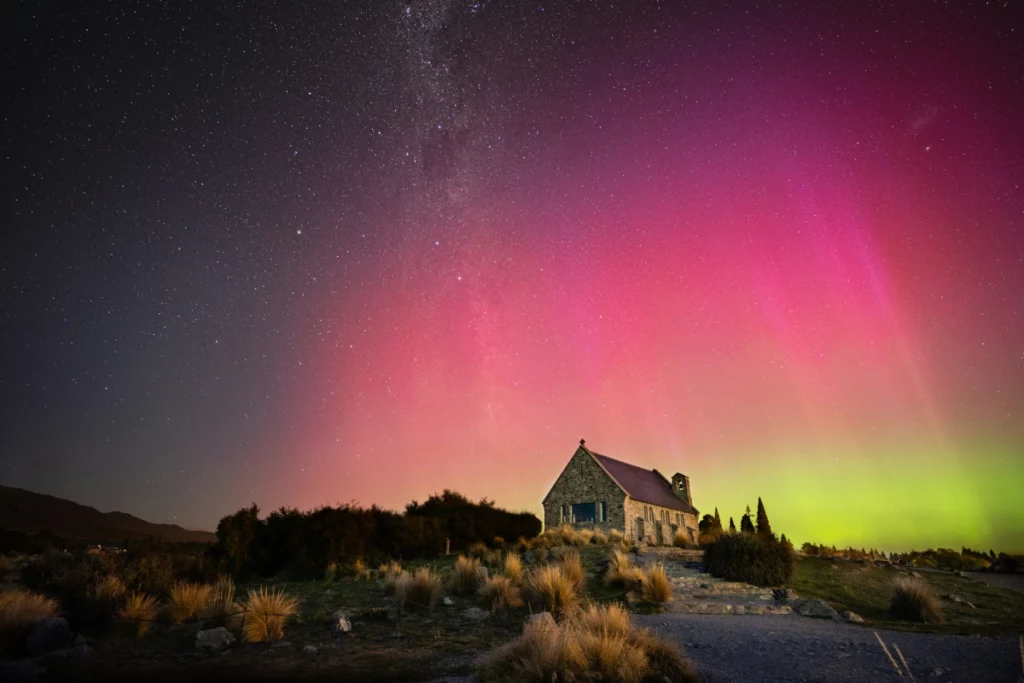
New Zealand offers outstanding aurora viewing locations. Dark skies and southern exposure combine for spectacular displays.
Stewart Island delivers New Zealand's best aurora viewing. Located at 47°S latitude, the island sits further south than any other inhabited New Zealand location.
Observation Rock near Halfmoon Bay provides elevated southern views. Walk from the town center to the lookout. The rocky outcrop faces directly south over Foveaux Strait. Dark skies surround the small settlement. During aurora events, locals gather here. The granite platform provides stable footing for tripods.
Mason Bay on the western side offers wilderness aurora viewing for adventurous overnight hikers. The long sandy beach faces southwest across open ocean. Water taxis drop at Freshwater Landing, followed by a 3-4 hour one-way hike to Mason Bay. Plan to stay overnight at the Mason Bay DOC Hut. Book well in advance during aurora season. The remote location means zero light pollution. This is a serious tramping commitment, not a quick evening trip.
Ackers Point provides accessible coastal viewing near Halfmoon Bay. Walk along the coastal track from town. The point extends into Paterson Inlet. Southern ocean views stretch unobstructed. The sheltered position blocks western wind.
Stewart Island's latitude means aurora displays appear regularly. Even moderate geomagnetic activity produces visible lights.
Dunedin offers South Island aurora viewing within reach of city amenities.
Taiaroa Head at the tip of Otago Peninsula provides dramatic elevated viewing. Drive to the albatross colony car park. Walk to the coastal lookouts. The headland rises above the ocean. Southern exposure stretches uninterrupted. The elevation advantage helps during displays.
Sandfly Bay offers excellent aurora viewing from the elevated viewing platform. Park at the Sandfly Bay car park. Walk 15 minutes to the viewing platform overlooking the bay. Important: Stay on the viewing platform at night. Do not descend to the beach. New Zealand sea lions often sleep in the dunes and are aggressive if startled. Yellow-eyed penguins (hoiho) nest here. Human presence at night prevents them returning to feed chicks. The platform provides excellent southern views while protecting endangered wildlife.
Allans Beach provides another Otago Peninsula option. Less crowded than Sandfly Bay. Drive to the small car park at road end. Walk through the dunes to the beach. Southern ocean views dominate. Minimal artificial light reaches this location.
Dunedin sits at 46°S latitude. Strong displays light up the southern sky several times annually.
Queenstown provides alpine aurora viewing opportunities.
Lake Wakatipu foreshore along Marine Parade offers accessible viewing from town. Walk to Queenstown Gardens at the peninsula tip. The lake creates mirror-like reflections during calm nights. Aurora colors reflect in the dark water. The Remarkables provide dramatic mountain backdrop.
Glenorchy at the northern end of Lake Wakatipu delivers darker skies. Drive 45 minutes from Queenstown. The small settlement has minimal light pollution. Park near the lakefront. The glacial lake stretches south. Mountains surround the valley. During aurora events, the combination of mountains, lake, and lights creates stunning compositions.
Bennetts Bluff Viewpoint on the road to Glenorchy offers safer winter viewing than high-altitude passes. Drive 20 minutes from Queenstown toward Glenorchy. The purpose-built viewpoint provides massive unobstructed southern views over Lake Wakatipu. The lower altitude means safer winter driving conditions. Park at the designated area. The lakeside position creates stunning reflections during aurora events.
Queenstown sits at 45°S latitude. The alpine environment adds unique foreground elements to aurora photography.
Christchurch offers aurora viewing from New Zealand's largest South Island city.
Godley Head near Sumner provides coastal viewing east of Christchurch. Drive to the Godley Head car park. Walk to the coastal lookouts. The headland rises above the Pacific Ocean. Southern and eastern horizons open to the sea. Historic defense structures create interesting foreground subjects. Check the DOC website for track alerts before visiting, as the area occasionally closes for maintenance or events.
Birdlings Flat sits 45 minutes south of Christchurch facing directly south across open ocean. Drive to the small settlement on the Lake Ellesmere coast. Park near the beach access. The location has zero light pollution and unobstructed southern horizon views. Local Christchurch aurora chasers favor this spot. The flat, dark coast creates ideal conditions during displays.
Lake Tekapo provides world-class dark sky viewing three hours inland. Part of the Aoraki Mackenzie International Dark Sky Reserve. Drive to the Church of the Good Shepherd. The iconic stone church sits on the lakeshore. The lake creates reflections. Mountains surround the basin. This location combines aurora with some of the Southern Hemisphere's darkest skies.
Canterbury's varied locations suit different viewing preferences. Coastal spots catch displays quickly. Inland locations offer darker skies.
Auckland sits at 37°S latitude. Aurora displays visible from New Zealand's largest city are rare and require extreme geomagnetic storms (G4 or higher). During the current solar maximum period, a few exceptional events may reach this far north.
Muriwai Beach on Auckland's west coast provides dark sky access during extreme events. Drive 40 minutes west from the city center. Park at the main beach car park. Walk south along the beach away from the settlement. The black sand beach faces southwest. Minimal artificial light reaches the southern sections.
Piha Beach offers another west coast option for extreme storm events. The dramatic coastal setting includes Lion Rock. Park at the main beach. Walk to less populated sections. The black sand creates striking foreground contrast. The location's remoteness reduces light pollution.
Cape Reinga at the North Island's tip sits at 34°S latitude. This is New Zealand's most challenging aurora viewing location. Being the furthest point from the South Pole means only the most extreme displays reach here. But when they do, the location's cultural significance adds meaning. The rocky headland faces south over open ocean.
North Island locations require exceptional geomagnetic activity. Displays reaching Auckland are rare but unforgettable.
We built our service to work with minimal internet connection. With a weak connection we can still send you substorm alerts to your phone via SMS.
Winter months from May through August offer the best chances. Longer nights provide more viewing hours. The cooler months deliver darker, clearer skies. June and July typically provide optimal conditions.
The equinox months also bring opportunities. March and September often coincide with increased geomagnetic activity. Aurora displays frequently pick up during these transitional periods.
Time of night matters. Aurora displays typically peak between 10:00 PM and 2:00 AM NZST. This window corresponds to magnetic midnight when New Zealand is best aligned with the magnetic poles. Set your phone alerts to wake you. Missing the peak because you went to bed early is frustrating.
Moon phase affects visibility. A bright full moon washes out fainter aurora colors. New moon periods offer the darkest skies. Our alerts account for moon brightness when calculating New Zealand visibility.
Weather conditions are critical. Clouds block everything. Cold, clear winter nights are ideal. Check New Zealand's weather forecast before heading to viewing locations. Weather changes quickly. If clouds are predicted, the aurora might be happening above them. But you won't see it.
Here's the truth though. Real-time solar wind conditions matter more than seasonal patterns. Aurora displays happen when conditions align. Not when calendars say they should. Our real-time monitoring catches displays whenever they develop. Any season. Any time.
Price range: $29.95 through $37.95

Price range: $17.95 through $19.95
Yes, you can see the southern lights in New Zealand during geomagnetic activity. New Zealand's southern location provides regular aurora australis viewing opportunities. The South Island sits between 41°S and 47°S latitude. Stewart Island offers the most frequent sightings. During strong solar storms, displays reach central North Island. Auckland sightings are rare and require extreme (G4+) geomagnetic storms.
The best time of year to see aurora australis in New Zealand is during winter months from May through August. Longer nights provide more viewing hours. The cooler months deliver darker skies. The equinox months of March and September also bring increased opportunities. However, strong solar wind conditions can create displays at any time. Our real-time alerts work year-round to catch displays whenever they develop.
For the best aurora viewing in New Zealand, head to Stewart Island for the most frequent displays. Dunedin and Otago Peninsula provide excellent South Island coastal viewing from Taiaroa Head and the Sandfly Bay viewing platform. Lake Tekapo delivers world-class dark sky conditions. Queenstown offers alpine scenery with safe winter access via Bennetts Bluff Viewpoint. Near Christchurch, Birdlings Flat provides dark skies with direct southern exposure. The key is getting away from city lights, finding clear southern horizons, and respecting wildlife habitats.
You know when aurora is happening in New Zealand tonight by monitoring real-time solar wind conditions and signing up for location-specific alerts. The Kp index uses three-hour averages that can miss rapid spikes in activity. Real-time monitoring watches solar wind as it reaches Earth right now. Our alerts give you 30-60 minutes advance warning before displays become visible from New Zealand, so you have time to reach your viewing location before the show starts.
Yes, you can photograph the aurora with your smartphone using night mode or long exposure settings. Modern smartphones have capable night photography modes. Use a tripod or stable surface. Enable night mode and let the camera expose for 3-10 seconds. Turn off flash. The camera will capture colors your eyes might miss. For best results, use a DSLR or mirrorless camera. But smartphone photos from New Zealand's dark locations can be stunning.
To know if you can see the aurora tonight in New Zealand, check real-time solar wind conditions rather than forecasts. Our alerts monitor current solar wind data and notify you 30-60 minutes before displays become visible. Sign up for New Zealand-specific alerts to get notified whenever conditions align tonight or any night. Traditional forecasts can't tell you about tonight with certainty because aurora displays develop in real-time based on solar wind reaching Earth right now.
New Zealand sees aurora displays regularly during the current solar maximum period (2024-2026). Stewart Island and southern locations catch displays several times monthly during active periods. Dunedin and Queenstown see strong displays several times annually. Auckland and far North Island locations require exceptional geomagnetic activity (G4+ storms). Our alerts ensure you don't miss displays when conditions align.
Our real-time monitoring catches aurora displays as they develop. Get SMS alerts 30-60 minutes before aurora becomes visible from New Zealand.
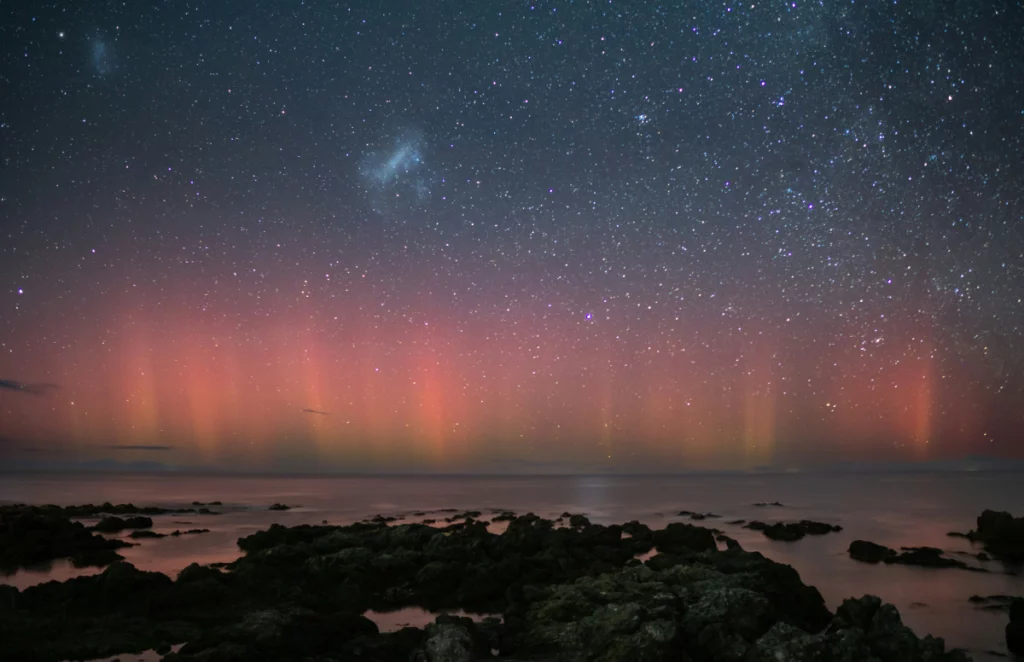
Preparation makes the difference between missing the display and capturing memories that last forever.
Aurora displays happen at night. During the day, position yourself for evening success while exploring New Zealand's stunning landscapes.
Stewart Island Experience operates ferry services between Bluff and Stewart Island. The one-hour crossing provides access to New Zealand's premier aurora viewing location. Book accommodation in Halfmoon Bay during new moon periods. The South Sea Hotel and several lodges cater to aurora chasers. Local guides know the best viewing spots. Many grew up watching the southern lights.
Lake Tekapo combines daytime activities with nighttime aurora viewing. Visit the Mount John Observatory during the day. The University of Canterbury facility offers public tours. Learn about southern hemisphere astronomy. Scout viewing locations around the lake. The Church of the Good Shepherd provides iconic foreground subjects. By evening, you'll know exactly where to set up.
Dark Sky Project in Lake Tekapo offers guided aurora viewing tours. Their guides monitor conditions and take groups to optimal locations. They provide astronomy expertise and photography assistance. The tours operate year-round. Peak season runs May through September.
Camera hire in Queenstown and Christchurch provides photography equipment for aurora trips. Several shops rent DSLR cameras, wide-angle lenses, and sturdy tripods. Reserve equipment in advance during winter months.
New Zealand winter nights get cold. Especially at coastal and alpine locations. Wear warm layers including a windproof jacket. Stewart Island and mountain locations can be significantly windier than forecasts suggest. Bring a thermos with hot coffee or tea.
Pack your camera or smartphone with fully charged batteries. Cold drains batteries fast. Bring spares. A tripod or stable surface is essential for long exposure photography.
A red flashlight preserves your night vision while helping you navigate safely. Red light doesn't interfere with seeing the aurora.
Bring a blanket or camping chair. Aurora displays can last one to three hours. You'll want to sit comfortably while watching.
Modern smartphones capture stunning aurora photos. Enable night mode or long exposure mode in your camera settings. Most recent iPhones and Android devices have this built in.
Use a tripod or prop your phone against something stable. Any movement blurs the image.
Set exposure time to 3-15 seconds. Brighter displays need shorter times. Experiment and see what works.
Turn off flash completely. Flash does nothing for aurora photography except ruin your shots.
Point toward the southern horizon where the aurora appears. Wide-angle lenses capture more sky. Use your phone's widest lens setting.
Take lots of photos. The aurora changes constantly. What looks faint to your eyes might show vibrant greens and purples in the camera.
Tell someone where you're going. Especially when heading to remote locations late at night. Cell service can be spotty in some coastal and alpine areas.
Check tide times for coastal locations. Some viewing spots can be cut off during high tide. Don't get stranded on rocky platforms.
New Zealand's coastal and alpine weather changes rapidly. Bring extra layers even if conditions seem mild. Coastal winds and mountain conditions make temperatures feel significantly colder than forecasts.
Many of New Zealand's best aurora spots are active habitats for endangered species. Following these rules ensures these areas stay open for everyone.
Keep Your Distance: Stay at least 20 meters away from seals and sea lions. If they react to you, you are too close. Back away slowly. For yellow-eyed penguins (hoiho), keep a 50-meter distance.
Never Use Flash: Flash photography can temporarily blind nocturnal animals or cause them to abandon their nests. Use long exposures to capture the aurora without disturbing wildlife.
The Bus Rule: If a sea lion is on the beach, imagine two large buses parked between you and the animal. That's your minimum safe distance.
Don't Block the Sea: Never stand between a marine mammal and the water. This is their only escape route. Blocking it can make them feel cornered and aggressive.
Red Light Only: Use a red-light headlamp for navigating and setting up gear. It preserves your night vision and is far less disruptive to birds and mammals than white light.
No Drones at Night: Most sensitive areas like Taiaroa Head have permanent restricted airspace to protect nesting birds.
New Zealand's native wildlife trust depends on responsible aurora chasers. Kiwi birds inhabit Stewart Island and remote locations. Give them space. Yellow-eyed penguins and sea lions share many South Island coastal aurora viewing spots. Respect their habitat.
Stewart Island offers accommodation close to premier viewing locations. Staying in Halfmoon Bay puts you minutes from Observation Rock and coastal tracks. When alerts arrive, you can reach viewing spots quickly.
Lake Tekapo provides accommodation within the Dark Sky Reserve. Several lodges and hotels cater specifically to aurora chasers and photographers. Book early for new moon weekends.
Queenstown and Dunedin offer city amenities with access to aurora viewing within an hour's drive.
Aurora forecasting has changed. We use modern technology to give you better information faster.
Traditional aurora forecasts rely on the Kp index. That's a three-hour average that can miss rapid spikes in geomagnetic activity. Aurora displays can develop, peak, and fade faster than those averages update.
We monitor solar wind conditions as they happen. Right now. Satellites at the L1 Lagrange point, about 1 million miles from Earth, send us data. We see what's coming 30-60 minutes before it arrives. That's when we send your alert.
We don't look at just one number. Our algorithm checks multiple pathways. Bz component (southward magnetic field direction). Solar wind speed. Particle density. Magnetometer readings from multiple sources.
When all pathways indicate aurora conditions for New Zealand, you get an alert.
This comprehensive approach catches displays that single-metric forecasts miss. When all pathways align, our alerts go out. New Zealand aurora chasers get outside. Hundreds have captured the moment.
You're not just getting alerts. You're joining a community of curious, adventurous people who value authentic experiences. People who love nature. Who want to share wonder with friends and family. Who create memories that last forever.
The aurora doesn't follow the news cycle. It happens when real-time solar wind conditions align. We help you catch it when it actually occurs.
Stop relying on outdated forecasts. Get alerts before the aurora arrives.
We monitor solar wind conditions in real-time from satellite data at the L1 Lagrange point, about 1 million miles from Earth. When conditions indicate aurora visibility for New Zealand, you get an SMS alert. Our proprietary algorithm works even with weak cell signals. Perfect for remote Stewart Island or Lake Tekapo locations.
Tell us where you are. Auckland? Wellington? Queenstown? Stewart Island? We customize alerts based on your specific location. You won't get false alarms for aurora displays only visible from Antarctica. You get alerts when New Zealand has a real chance.
When solar wind conditions align for New Zealand visibility, your phone buzzes. You have time to grab your camera and drive to your viewing location. Join hundreds of New Zealand aurora chasers who rely on our alerts.
Traditional forecasts use the Kp index. That's a three-hour average that can miss rapid spikes. We watch what's happening right now. Southward Bz component. Solar wind speed. Particle density readings. Magnetometer data. This multi-pathway analysis gives you 30-60 minute advance warning.
Less than a latte. Way better than missing the lights!
Everything you need to catch the auroras at your location.
Less than a fast food meal. Never miss a display.
Lock in your alerts for a full aurora season and save.