
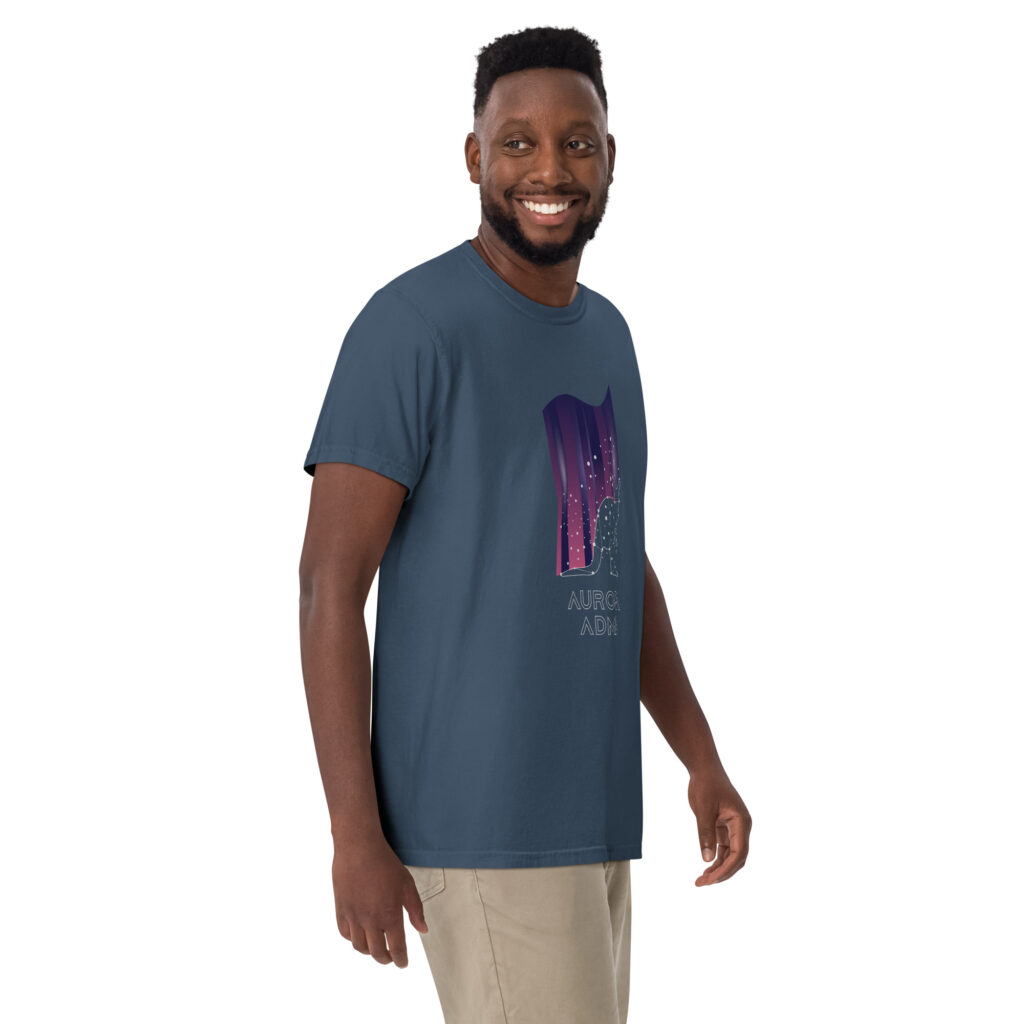
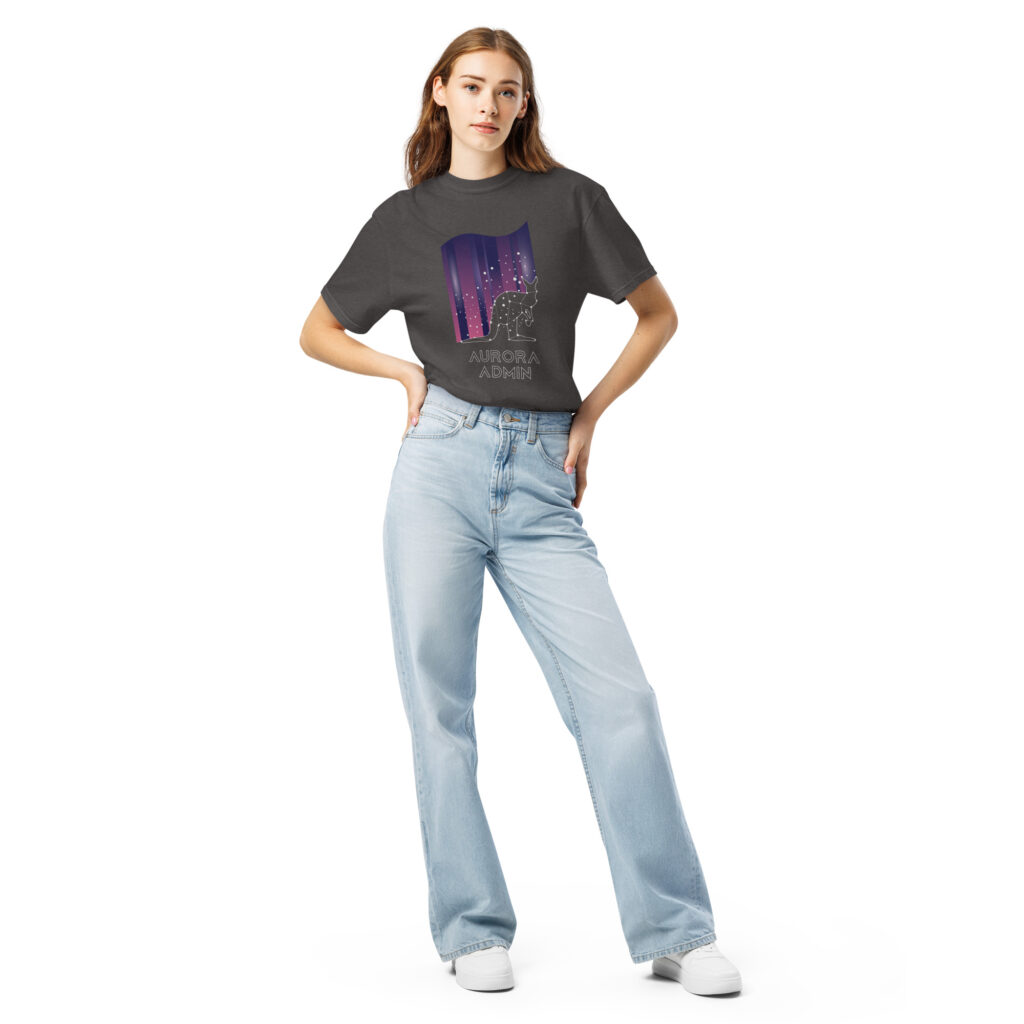
Price range: $29.95 through $37.95
Select options
This product has multiple variants. The options may be chosen on the product page
Substorm Phase: Quiet; Aurora Activity Score: 9/100
Stay ahead of the Northern Lights with real-time alerts. Subscribe now to receive a text or call whenever the aurora is active—so you never miss a moment of the show.
Can you see the aurora australis in South Australia? Yes, and regularly during strong geomagnetic activity. South Australia sits at approximately 35°S latitude. The state's southern coastline provides excellent access to aurora displays. Most South Australians don't realize the southern lights dance above their state. Wondering if you can see them tonight? Real-time solar wind monitoring gives you the answer.
Recent displays lit up SA's southern skies. Photographers captured stunning colors from the Fleurieu Peninsula, Yorke Peninsula, and Kangaroo Island. Our alerts gave them time to reach coastal locations before peak activity. Many drove just an hour from Adelaide to witness lifetime displays.
South Australia's extensive southern coastline creates numerous dark sky opportunities. During powerful solar storms, the auroral oval expands north. That's when aurora australis becomes visible across SA. You need to escape city lights and find clear southern horizons. The right coastal locations exist throughout the state.
Northern Hemisphere
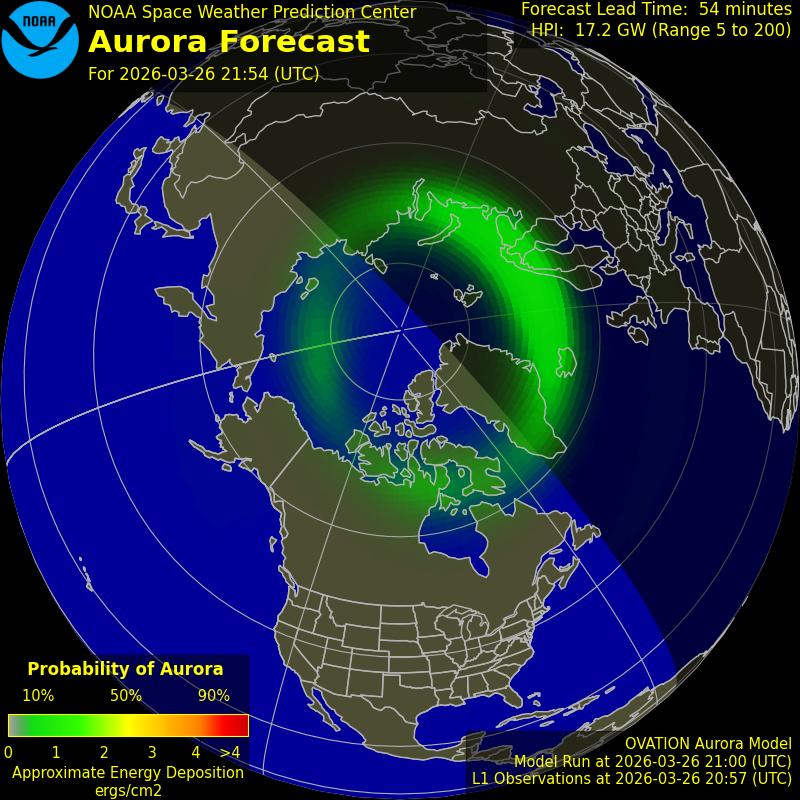
The aurora australis appears when charged particles from the sun hit Earth's magnetic field. Solar wind carries these particles across 98 million miles of space. When conditions align, the magnetosphere funnels them toward the poles. This creates glowing curtains of light in our upper atmosphere.
Coronal mass ejections can make displays even more intense.
South Australia's position provides regular aurora opportunities during strong geomagnetic activity. The auroral oval typically sits around 66°S latitude. During major storms, it expands dramatically northward. SA's southern coastline sits in the path of these expansions.
Here's why most people miss them. Traditional forecasts rely on the Kp index. That's a three-hour average — a retrospective measurement, not a live reading. The Bureau of Meteorology now publishes a near-real-time Australian regional K-index (Kaus) that updates every few minutes, which is an improvement. But even Kaus only tells you what Earth's magnetic field is doing right now. It doesn't tell you what's arriving from the sun in the next 30 minutes.
That lead time is where aurora alerts live or die.
We combine interplanetary magnetic field (IMF) data from satellites positioned between Earth and the sun with ground-based magnetometer readings from multiple stations. When the Bz component tips southward and solar wind speed and density spike, we see the geomagnetic storm building before it hits the magnetosphere. Our alerts go out while the K-index is still flat.
Our real-time monitoring catches displays as they develop. You get alerts while there's still time to reach the coast.
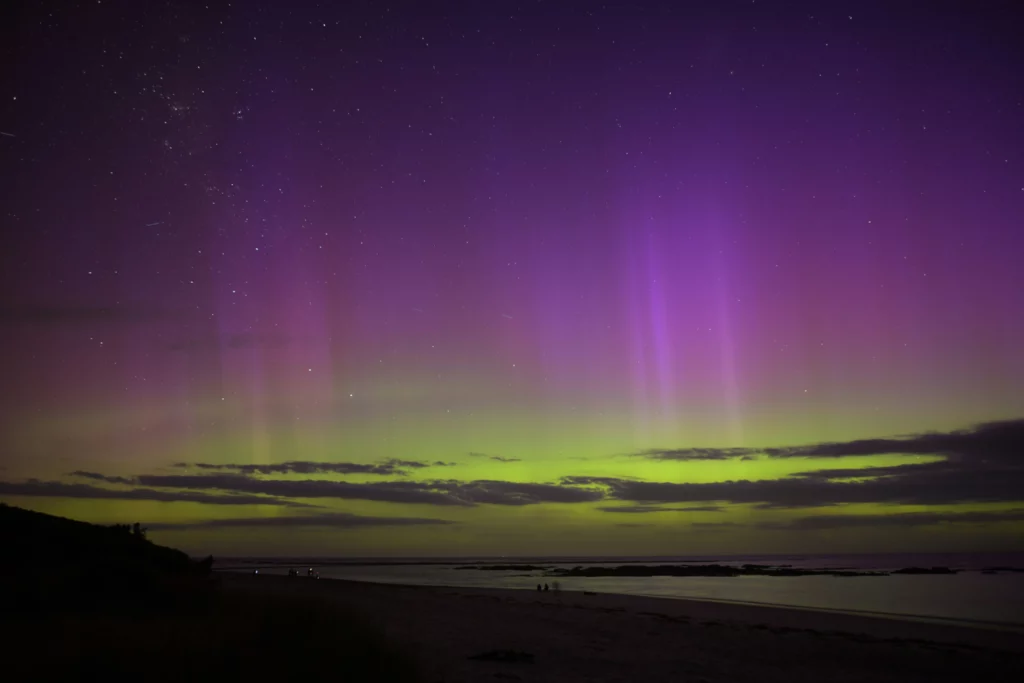
South Australia offers exceptional dark sky coastal locations across multiple regions. Each area provides unique advantages for aurora viewing.
The Fleurieu Peninsula sits 60-90 minutes south of Adelaide with numerous excellent viewing locations.
Victor Harbor provides easy coastal access with multiple beach viewing points. Victor Harbor Beachfront Holiday Park sits near the shoreline. Drive to the southern beaches. Park at designated areas. Walk to locations away from streetlights. The southern ocean views deliver during aurora events.
Second Valley offers a secluded rocky bay with minimal light pollution. The rocky limestone coastline creates dramatic foreground for photography. Drive to Second Valley jetty area. Park near the boat ramp. The historic jetty and rocky foreground create dramatic photography opportunities. This location attracts local astrophotographers during aurora alerts. Check tide times before visiting as tidal changes affect coastal access.
Rapid Bay features a long jetty extending into deep southern waters. Park at the Rapid Bay parking area. Walk along the beach south of the jetty. The elevation changes provide diverse viewing angles. Less crowded than Victor Harbor.
Sellicks Beach delivers wide-open southern views along a long stretch of coastline. Drive to Sellicks Beach. Park along the foreshore. The cliffs behind the beach block northern light pollution. Direct southern ocean exposure.
Yorke Peninsula extends into the Southern Ocean with some of SA's darkest coastal skies.
Dhilba Guuranda-Innes National Park sits at Yorke Peninsula's southern tip. The park protects dark skies from development. Multiple beaches and coastal access points provide aurora viewing opportunities. West Cape and Pondalowie Bay offer particularly good southern exposure.
Pondalowie Bay inside Dhilba Guuranda-Innes provides sheltered southern views. Drive to the Pondalowie Bay camping area. Park at designated spots. Walk to the southern beach sections. The bay's protection from wind makes it comfortable during cold winter nights.
Local secret: While most visitors head straight to the Pondalowie surf break, drive a few minutes further to the Stenhouse Bay area and follow the Chinaman's Hat Lookout Walk. This 2km loop trail starts near the Stenhouse Bay campground and leads to elevated limestone platforms with direct southern exposure over the Investigator Strait.
The gypsum-era industrial remnants near the Stenhouse Bay jetty create the kind of weathered foreground that makes aurora photography compelling. At the Chinaman's Hat Lookout itself, you're standing on a raised limestone outcrop with an unobstructed southern horizon and near-zero artificial light. Local SA aurora photographers know this spot. Most visitors don't venture past the main beach.
Terrain & Safety: Roads to Stenhouse Bay are sealed, making this accessible in standard 2WD vehicles at night. The lookout track is well-maintained, but once off-trail the limestone becomes sharp and honeycombed — it will shred camera bags and shins. Stay on marked paths when scouting compositions. Scout the platform edges during daylight before returning for a night shoot. Wind exposure at the lookout can be significant. Secure tripods well. Cell reception is limited. Tell someone where you're going.
Kangaroo Island sits offshore with exceptional dark skies across the island. Ferry or flight access required.
Flinders Chase National Park on the island's western end provides the darkest conditions. Cape du Couedic and Admiral's Arch areas offer southern ocean exposure. The island's protected status ensures minimal light pollution. During aurora events, Kangaroo Island delivers spectacular displays.
Vivonne Bay on the south coast faces directly south. The long beach provides multiple viewing locations. Park at the beach access areas. Walk to darker sections. The bay's southern exposure creates excellent conditions.
Eyre Peninsula west of Adelaide offers extensive coastline with numerous dark sky locations.
Lincoln National Park at the Eyre Peninsula's southern tip provides protected dark skies. Sleaford Bay and Memory Cove sections offer southern exposure away from Port Lincoln's lights. The park's remote location ensures exceptional viewing conditions.
Port Lincoln provides easier access with coastal viewing from the town's southern beaches. Drive to Proper Bay or other southern coastal areas. The working port creates some light pollution. But during strong displays, locations south of town work well.
The River Murray International Dark Sky Reserve offers some of Australia's darkest skies. Located in SA's Riverland region. This internationally recognized dark sky reserve provides exceptional stargazing conditions. The main south-viewing challenge here isn't latitude — it's the Murray River valley topography. Cliff faces and dense tree lines along the river can block the southern horizon from low-lying spots. For aurora viewing within the reserve, seek out elevated lookouts with clear sight lines south. The Big Bend Lookout provides the elevation needed to see over the valley and delivers the reserve's extreme darkness with an unobstructed southern horizon — the best combination for aurora viewing in the Riverland.
We built our service to work with minimal internet connection. With a weak connection we can still send you substorm alerts to your phone via SMS.
Winter months from May through August offer the best chances. Longer nights provide more viewing hours. Clear, cold winter nights deliver optimal conditions. June and July typically provide the darkest skies.
The equinox months also bring opportunities. March and September often coincide with increased geomagnetic activity. Aurora displays frequently pick up during these transitional periods.
Time of night matters. Aurora displays typically peak between 10pm and 3am SA local time. The most intense activity often happens between midnight and 2am. Set your phone alerts to wake you. Missing the peak because you went to bed early is frustrating.
Moon phase affects visibility. A bright full moon washes out fainter aurora colors. New moon periods offer the darkest skies. Our alerts account for moon brightness when calculating SA visibility.
Weather conditions are critical. Clouds block everything. Cold, clear winter nights are ideal. Check South Australia's weather forecast before heading out. If clouds are predicted, the aurora might be happening above them. But you won't see it.
Here's the truth though. Real-time solar wind conditions matter more than seasonal patterns. Aurora displays happen when conditions align. Not when calendars say they should. Our real-time monitoring catches displays whenever they develop. Any season. Any time.
Price range: $29.95 through $37.95
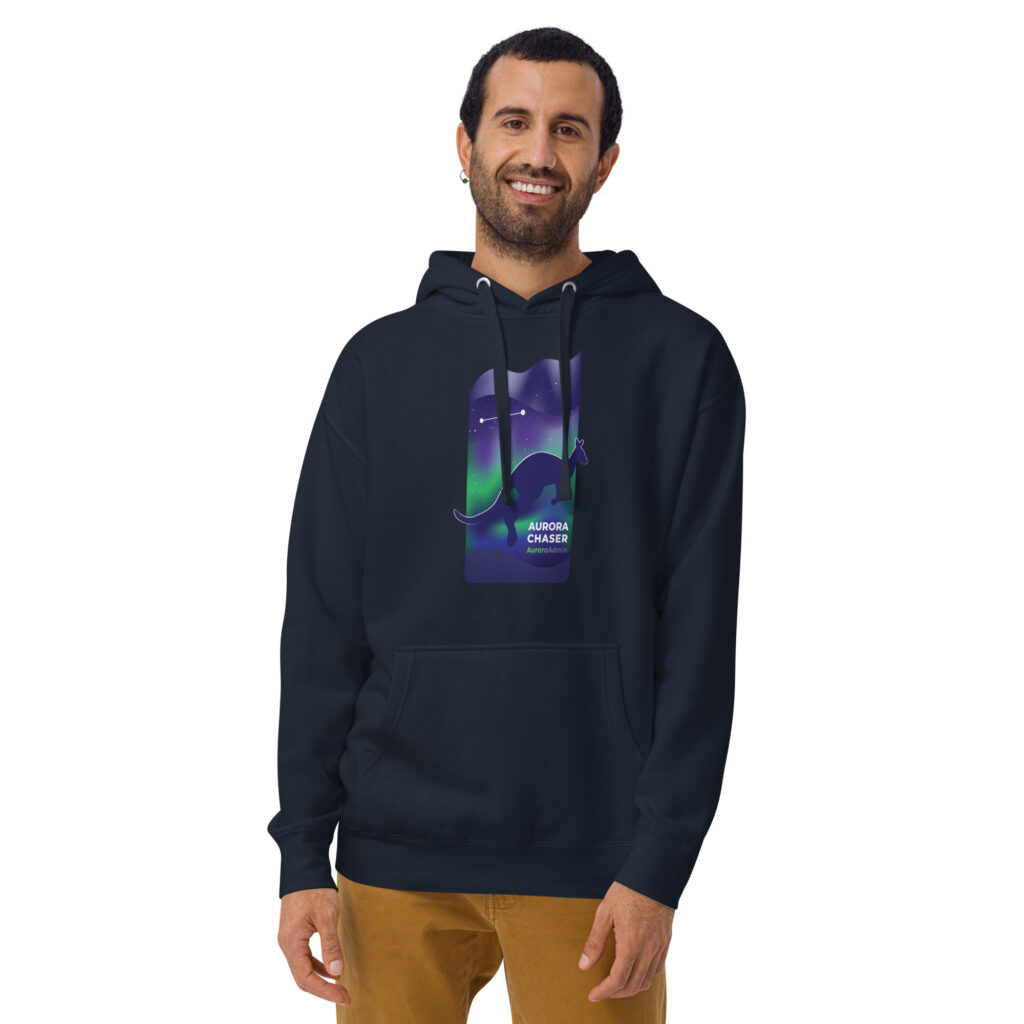
Price range: $38.95 through $44.95

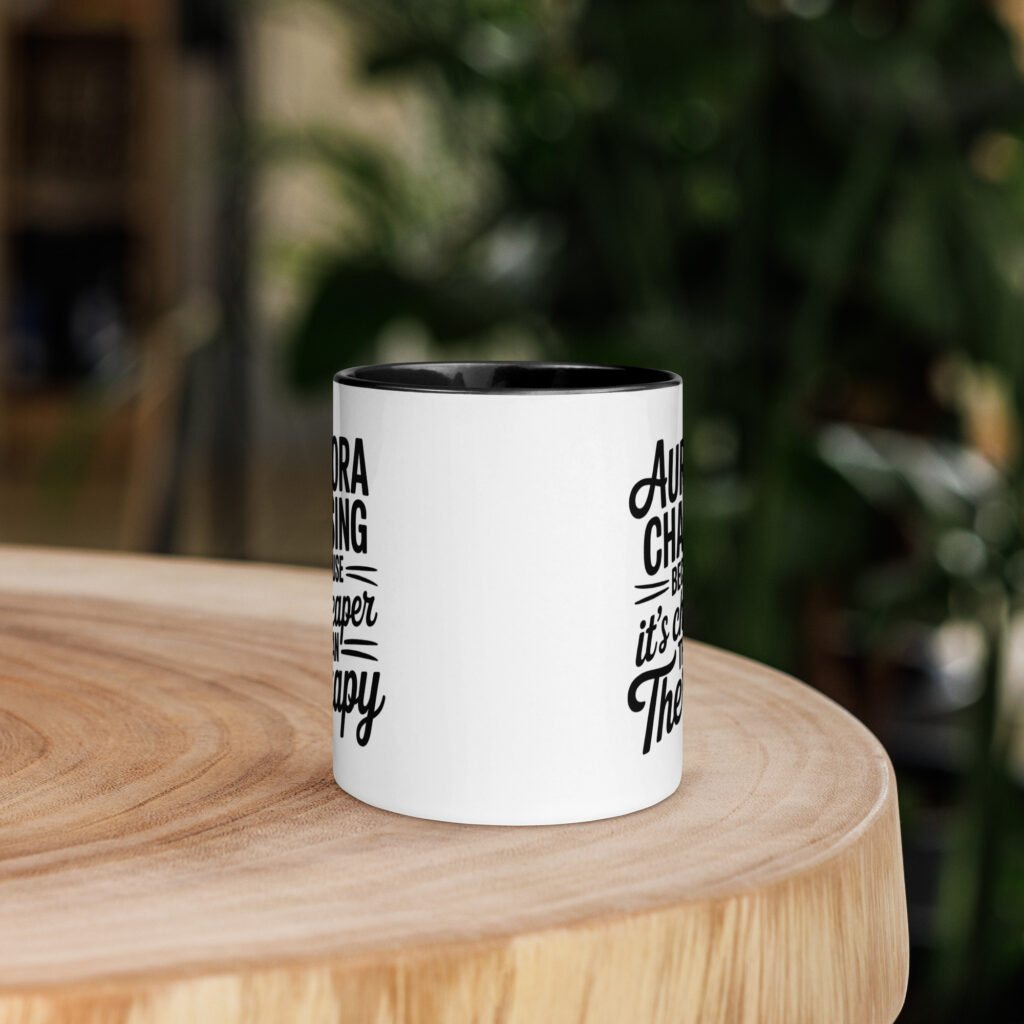
Price range: $17.95 through $19.95
Yes, you can see the southern lights in South Australia during strong geomagnetic activity. SA sits at approximately 35°S latitude. During powerful solar storms, the auroral oval expands north. That's when aurora australis becomes visible across South Australia. Recent displays proved this. SA photographers captured southern lights from the Fleurieu Peninsula, Yorke Peninsula, Kangaroo Island, and Eyre Peninsula.
The best time of year to see aurora australis in South Australia is during winter months from May through August. Longer nights provide more viewing hours. The equinox months of March and September also bring increased opportunities. However, strong solar wind conditions can create displays at any time. Our real-time alerts work year-round to catch displays whenever they develop.
For the best aurora viewing in South Australia, head to Fleurieu Peninsula locations like Victor Harbor, Second Valley, or Rapid Bay. Yorke Peninsula's Dhilba Guuranda-Innes National Park and Pondalowie Bay offer exceptional dark sky aurora viewing. Kangaroo Island provides offshore viewing. Eyre Peninsula's Lincoln National Park delivers remote southern coast access. Even Adelaide's southern suburbs catch strong displays.
You know when aurora is happening in South Australia tonight by monitoring real-time solar wind conditions and signing up for location-specific alerts. Unlike the Kp index, which reports geomagnetic activity from three hours ago, real-time monitoring watches solar wind as it reaches Earth right now. Our alerts give you 30-60 minutes advance warning before displays become visible from SA, so you have time to grab your camera and drive to Second Valley or Pondalowie Bay before the show starts.
Yes, you can photograph the aurora with your smartphone using night mode or long exposure settings. Modern smartphones have capable night photography modes. Use a tripod or stable surface. Enable night mode and let the camera expose for 3-10 seconds. Turn off flash. The camera will capture colors your eyes might miss. For best results, use a DSLR or mirrorless camera. But smartphone photos from SA's dark coastal locations can be stunning.
To know if you can see the aurora tonight in South Australia, check real-time solar wind conditions rather than forecasts. Our alerts monitor current solar wind data and notify you 30-60 minutes before displays become visible. Sign up for SA-specific alerts to get notified whenever conditions align tonight or any night. Traditional forecasts can't tell you about tonight with certainty because aurora displays develop in real-time based on solar wind reaching Earth right now.
South Australia sees aurora less frequently than Tasmania but more often than northern states. During active solar periods, strong geomagnetic storms producing aurora australis visible from South Australia happen several times annually. Dark sky coastal locations on the Fleurieu Peninsula, Yorke Peninsula, and Eyre Peninsula see displays more often than light-polluted areas inland. Our real-time aurora alerts ensure you don't miss aurora viewing opportunities when conditions align.
Be in the know with real-time monitoring for South Australia's latitude. SMS alerts 30-60 minutes before displays begin.
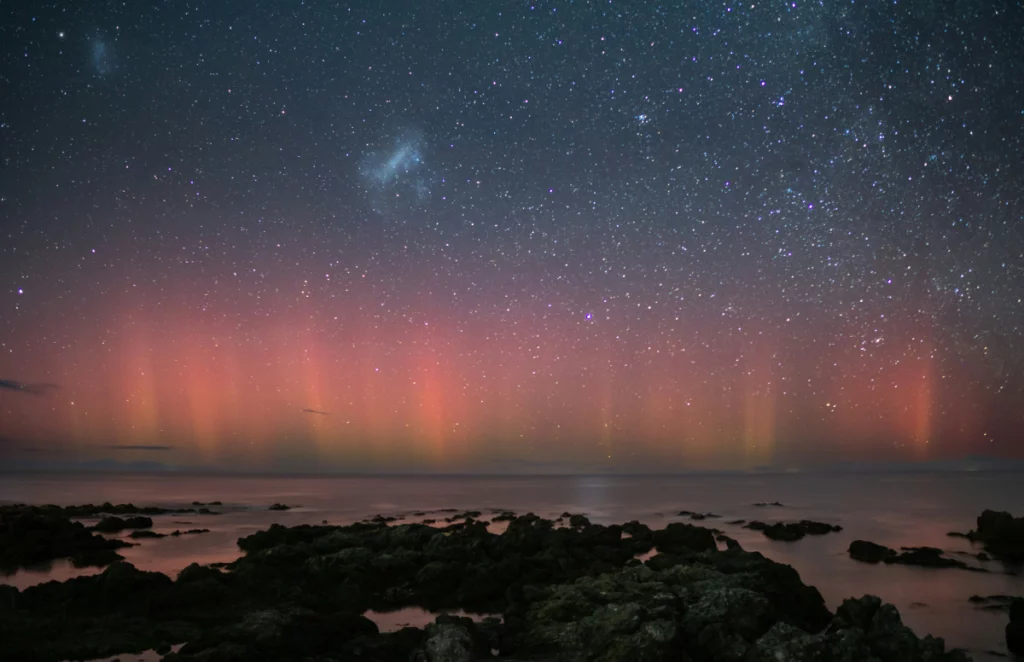
Preparation makes the difference between missing the display and capturing memories that last forever.
Aurora displays happen at night. During the day, position yourself for evening success while exploring South Australia's coastal regions.
Parsons Restaurant at the Ozone Hotel in Kingscote opens at 6:30am for breakfast, making it the earliest option for aurora chasers on Kangaroo Island. After shooting aurora at Vivonne Bay or Flinders Chase, return to Kingscote for early morning coffee and breakfast. Open 7 days. On the mainland Fleurieu Peninsula, Jack's Place Café in Goolwa opens at 7am with EVOKE NOVI coffee and local Fleurieu Milk (note: Tuesdays are takeaway only until noon). Port Elliot Bakery at 31 North Terrace opens at 7:30am Monday through Saturday and 9:00am Sunday. The Causeway Cafe in Victor Harbor also opens at 7:30am daily.
Second Valley and Port Willunga require daytime scouting before night shoots. Check tide times on WillyWeather or Bureau of Meteorology SA Tide Tables. The historic Second Valley jetty and rocky limestone coastline photograph best at specific tide levels. Port Willunga's old jetty ruins create dramatic foreground elements but tide timing matters. Scout these locations in afternoon light to identify safe access points and composition angles. At Stenhouse Bay, walk the Chinaman's Hat Lookout trail during daylight to familiarize yourself with the limestone platform edges and off-trail terrain. By evening, you'll know exactly where to set up safely.
Camera House – Central Market in Adelaide rents cameras, lenses, and tripods. This third-generation family business has operated since 1967. They're located at Shop 5 Central Market. Call ahead at +61 8 8231 5632 to reserve equipment. Larry's Camera Hire at 11 Clifton Street in Prospect offers tripods and heavy-duty grip stands. Open 9am-7pm Monday through Friday by appointment only. Camera Hire Adelaide provides SA-wide delivery for equipment rentals.
Adelaide Planetarium at UniSA Mawson Lakes Campus runs public shows on the first and third Saturday of each month at 11am, 1pm, 3pm, and 7:30pm. The Zeiss Jena projector displays over 5,000 stars. Bookings essential. Call (08) 8302 3138. Note: session times vary during the Adelaide Fringe (February–March) — check their website for the current Saturday schedule before visiting. The Heights Observatory in Modbury Heights hosts public viewing nights bimonthly on Friday nearest the First Quarter Moon. Stockport Observatory runs public star parties in February, May, August, and November. Both observatories are operated by the Astronomical Society of South Australia.
SA winter nights get cold at coastal locations. Especially on exposed peninsulas. Wear warm layers including a windproof jacket. Coastal winds make temperatures feel significantly colder than Adelaide's forecast. Bring a thermos with hot coffee or tea.
Pack your camera or smartphone with fully charged batteries. Cold drains batteries fast. Bring spares. A tripod or stable surface is essential for long exposure photography.
A red flashlight preserves your night vision while helping you navigate safely. Red light doesn't interfere with seeing the aurora.
Bring a blanket or camping chair. Aurora displays can last one to three hours. You'll want to sit comfortably while watching.
Modern smartphones capture stunning aurora photos. Enable night mode or long exposure mode in your camera settings. Most recent iPhones and Android devices have this built in.
Use a tripod or prop your phone against something stable. Any movement blurs the image.
Set exposure time to 3-15 seconds. Brighter displays need shorter times. Experiment and see what works.
Turn off flash completely. Flash does nothing for aurora photography except ruin your shots.
Point toward the southern horizon where the aurora appears. Wide-angle lenses capture more sky. Use your phone's widest lens setting.
Take lots of photos. The aurora changes constantly. What looks faint to your eyes might show vibrant greens and purples in the camera.
Tell someone where you're going. Especially when heading to remote Yorke Peninsula or Eyre Peninsula locations late at night. Cell service can be spotty in some areas.
Watch for wildlife. Kangaroos and wombats are active at night throughout SA. Drive carefully on rural roads. Particularly around the Fleurieu and Yorke peninsulas.
Check road conditions for remote locations. Some tracks require 4WD access. Don't attempt rough tracks at night without proper vehicle equipment.
Ferry or flight bookings required for Kangaroo Island. Plan ahead during peak periods.
South Australia offers excellent accommodation options near aurora viewing locations. Fleurieu Peninsula towns like Victor Harbor, Normanville, and Yankalilla put you near dark sky beaches. Yorke Peninsula accommodation at Dhilba Guuranda-Innes National Park or nearby towns provides quick coastal access.
For dedicated aurora trips, consider staying at Kangaroo Island or Eyre Peninsula. Closer to the state's darkest locations means faster response times when alerts arrive.
Aurora forecasting has changed. We use modern technology to give you better information faster.
Traditional aurora forecasts rely on the Kp index — a three-hour average that tells you what geomagnetic activity looked like in the past. Even modern near-real-time tools like the Bureau of Meteorology's regional K-index only reflect what Earth's magnetosphere is currently experiencing.
They can't tell you what's arriving from the sun in the next 30 minutes. That lead time is everything.
We watch interplanetary magnetic field (IMF) data from satellites positioned between Earth and the sun. When the Bz component turns southward and solar wind speed and density rise, a geomagnetic storm is building. We see it before it reaches Earth. That's when we send your alert — 30-60 minutes before the aurora becomes visible from South Australia.
We don't look at just one number. Our algorithm combines multiple data streams. Bz component direction from IMF readings. Solar wind speed and particle density from solar wind monitors. Ground-based magnetometer data from multiple stations. When all pathways indicate aurora conditions for South Australia, you get an alert.
This comprehensive approach catches geomagnetic storms and aurora displays that single-metric forecasts miss. When all pathways align, our alerts go out. SA aurora chasers get outside. Hundreds have captured the moment.
You're not just getting alerts. You're joining a community of curious, adventurous people who value authentic experiences. People who love nature. Who want to share wonder with friends and family. Who create memories that last forever.
The aurora doesn't follow the news cycle. It happens when real-time solar wind conditions align. We help you catch it when it actually occurs.
Stop relying on outdated forecasts. Get alerts before the aurora arrives.
We monitor solar wind conditions in real-time from satellite data 98 million miles away. When conditions indicate aurora visibility for South Australia, you get an SMS alert. Our proprietary algorithm works even with weak cell signals. Perfect for remote Yorke Peninsula and Eyre Peninsula locations.
Traditional forecasts use retrospective data. We combine interplanetary magnetic field (IMF) readings — Bz component direction, solar wind speed, particle density — with ground-based magnetometer data from multiple stations. This multi-pathway analysis gives you 30-60 minutes advance warning before a geomagnetic storm produces aurora visible from South Australia.
Tell us where you are. Adelaide? Fleurieu Peninsula? Yorke Peninsula? We customize alerts based on your specific location. You won't get false alarms for aurora displays only visible from Tasmania. You get alerts when South Australia has a real chance.
When solar wind conditions align for SA visibility, your phone buzzes. You have time to grab your camera and drive to the coast. Join hundreds of South Australian aurora chasers who rely on our alerts.
Less than a latte. Way better than missing the lights!
Everything you need to catch the auroras at your location.
Less than a fast food meal. Never miss a display.
Lock in your alerts for a full aurora season and save.