


Price range: $33.05 through $40.95
Select options
This product has multiple variants. The options may be chosen on the product page
Substorm Phase: Quiet; Aurora Activity Score: 10/100
Stay ahead of the Northern Lights with real-time alerts. Subscribe now to receive a text or call whenever the aurora is active—so you never miss a moment of the show.
Can you see the aurora australis in Sydney? Yes, during powerful solar storms. Sydney sits at 34°S latitude. That's quite far north for consistent aurora viewing. But the strongest geomagnetic displays reach Sydney. Most Sydneysiders have no idea the southern lights appear above their city. Wondering if you can see them tonight? Real-time solar wind monitoring gives you the answer.
Recent displays reached Sydney during exceptional solar storms. Photographers captured glowing southern skies from Cronulla, Royal National Park, and elevated Blue Mountains locations. Our alerts gave them time to escape city lights before peak activity.
During the most powerful storms, the auroral oval expands dramatically northward. That's when aurora australis becomes visible from Sydney. You need to get away from the city's intense light pollution. The right coastal and elevated locations make all the difference.
Northern Hemisphere
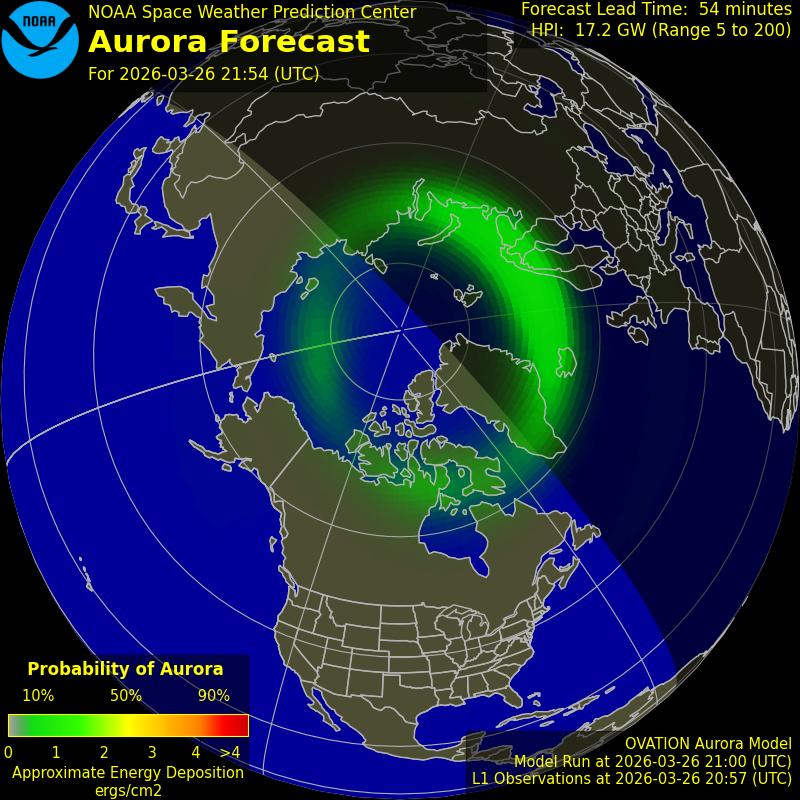
The aurora australis appears when charged particles from the sun hit Earth's magnetic field. Solar wind carries these particles across space. When conditions align, the magnetosphere funnels them toward the poles. This creates glowing curtains of light in our upper atmosphere.
Coronal mass ejections create the most intense displays.
Sydney's northern position means only the strongest storms produce visible aurora. The auroral oval typically sits around 66°S latitude. Major solar events push it north past Tasmania and Victoria. The most exceptional storms reach Sydney. Solar Cycle 25 peaked in late 2025 to early 2026. Activity remains elevated through 2026, and the southern lights are still reaching Sydney during major storms.
Here's why most people miss them. Traditional forecasts rely on the Kp index. That's a three-hour average that can miss rapid spikes in activity. For context, a Kp of 7 or higher is the general threshold where aurora australis becomes plausible from Sydney's latitude. The Kp index is a useful heads-up to start paying attention — but by the time those averages update, the most intense part of the display might already be over.
We monitor real-time solar wind conditions from the Space Weather Prediction Center and other sources. We watch the Bz component (southward magnetic field direction). We track wind speed and density. We check magnetometer readings. All in real time. Not hours later.
Our real-time monitoring catches displays as they develop. You get Sydney aurora alerts while there's still time to reach dark sky locations.
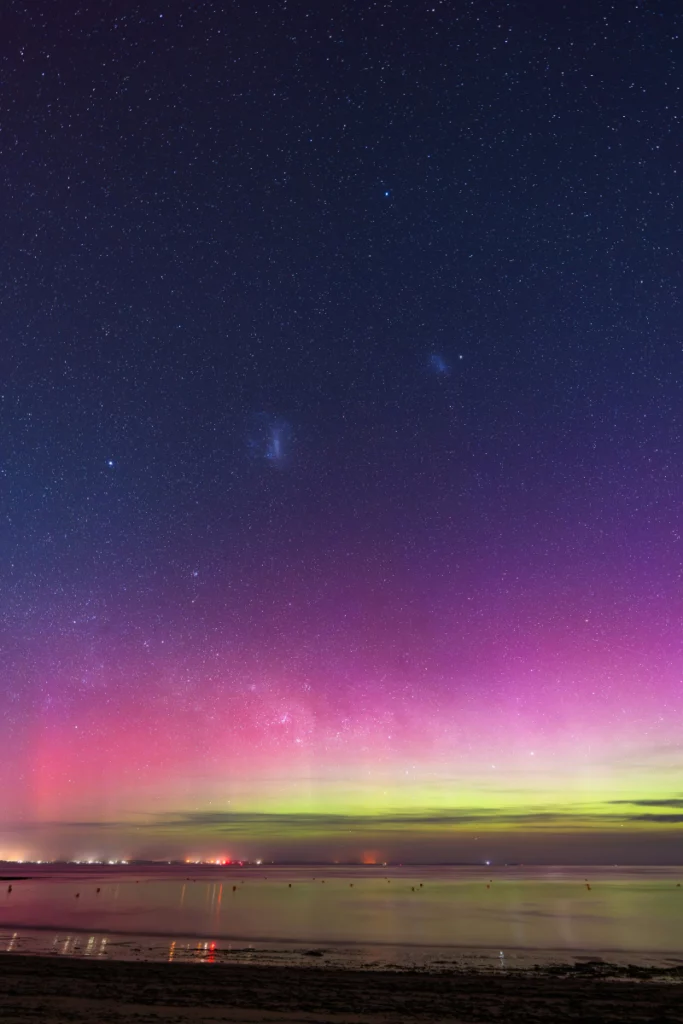
Sydney's intense light pollution challenges aurora viewing. But strategic locations within 1-2 hours offer real chances during strong displays.
Cronulla Beach provides Sydney's most accessible southern ocean views. The sandy beach offers flat, easy walking access to southern viewing positions. Drive to the southern end of Cronulla Beach. Park near Boat Harbor or Shelly Beach. Walk to dark sections away from streetlights. The beach faces directly south. During powerful aurora events, Cronulla delivers.
Royal National Park offers the darkest skies within Sydney's reach. Multiple access points provide southern exposure away from urban light pollution. Bundeena sits inside the park with ferry access from Cronulla. Drive to Bundeena via Loftus. Park near Horderns Beach. Walk to the southern-facing shoreline. Local photographers favor this spot during aurora alerts.
Audley provides another Royal National Park access point. Drive to Audley Weir area. Park at designated spots. Walk to elevated southern-facing locations. The Hacking River area offers multiple viewing angles.
Bundeena sits inside Royal National Park with ferry access from Cronulla. Drive to Bundeena via Loftus. Park near Horderns Beach. Walk to the southern-facing shoreline. The protected park location creates dark sky conditions. Local photographers favor this spot during aurora alerts.
Maroubra Beach faces southeast with less light pollution than northern beaches. Park at the southern end. Walk to Maroubra Headland. The elevation provides viewing advantage. During exceptional events, Maroubra catches the show.
La Perouse sits at Botany Bay's northern head. Drive to La Perouse. Park near Bare Island. The location provides southern water views across Botany Bay. Less crowded than Cronulla. For a higher vantage point, walk to the Snake Pit headland area near the museum. The slight elevation there helps clear the distant light glow from Wollongong on the southern horizon, giving you a cleaner view of the southern lights above the water.
Local secret: Skip the crowded Bundeena main beach. Head instead to Jibbon Beach on Royal National Park's eastern edge. Drive to Bundeena as usual. But park at the end of Loftus Street near the walking track entrance. Look for the weathered wooden bollards and faded trail marker sign.
Walk the coastal track 20 minutes east. You'll pass the Aboriginal rock engravings site. Continue past the main engraving area. Watch for a narrow side path on your right — locals sometimes mark this with three stacked sandstone rocks, but these are unofficial trail markers that hikers and weather regularly knock over. Don't rely on them being there. Scout the path during your daytime recce so you know exactly where to turn after dark. Take this path 50 meters to a small rocky platform.
Perfect southern ocean exposure. Zero artificial light. Rocky sandstone formations create dramatic foreground. Local Royal National Park photographers gather here during major aurora events. Almost nobody else knows about this platform. The main Bundeena viewing spots get crowded. This platform stays empty.
Terrain & Safety: The coastal track is well-maintained but requires 20 minutes walking each way. Mixed surfaces include compacted dirt and rock slabs. Watch for uneven stone steps in darkness. The rocky sandstone platform provides stable footing but edges can be slippery. Scout the route and the side path junction during daylight first — the turnoff is an unmarked social trail that is easy to miss at night even when you know where it is. Bring a headlamp or red flashlight for the walk back. Tell someone where you're going. Cell reception may be limited on the coastal track.
Stanwell Tops offers coastal clifftop elevation south of Sydney. Park at the Stanwell Tops lookout. The 200-meter elevation helps you see above some coastal light pollution. During powerful storms, the southern horizon lights up.
Blue Mountains locations provide high elevation and reduced light pollution. Katoomba's Echo Point and Sublime Point offer southern exposure. The 1,000-meter elevation creates advantages. Drive 90 minutes from Sydney. Winter nights deliver the clearest mountain skies.
Hargraves Lookout in Blackheath is the standout option for serious aurora australis photography. It faces southwest to south and has significantly less town glow than Katoomba's main tourist spots. Drive through Blackheath township and follow Evans Lookout Road. The lookout sits above the Megalong Valley with an unobstructed southwestern horizon — exactly the right direction for catching the southern lights at Sydney's latitude. Less visited than Echo Point, so you'll have the view to yourself during a display.
We built our service to work with minimal internet connection. With a weak connection we can still send you substorm alerts to your phone via SMS.
Winter months from May through August offer the best chances. Longer nights provide more viewing hours. Clear, cold nights deliver optimal conditions. June and July typically provide the darkest skies.
Time of night matters. Aurora displays typically peak between 10pm and 3am Sydney local time. The most intense activity often happens between midnight and 2am. Set your phone alerts to wake you. Missing peak activity is frustrating.
Moon phase affects visibility. A bright full moon washes out fainter colors. New moon periods offer the darkest skies. Our alerts account for moon brightness when calculating Sydney visibility.
Weather conditions are critical. Clouds block everything. Check Sydney's weather forecast before heading out. If clouds are predicted, the aurora might be happening above them. But you won't see it.
Here's the truth though. Real-time solar wind conditions matter more than seasonal patterns. Aurora displays happen when conditions align. Our real-time monitoring catches displays whenever they develop. Any season. Any time.
Price range: $33.05 through $40.95

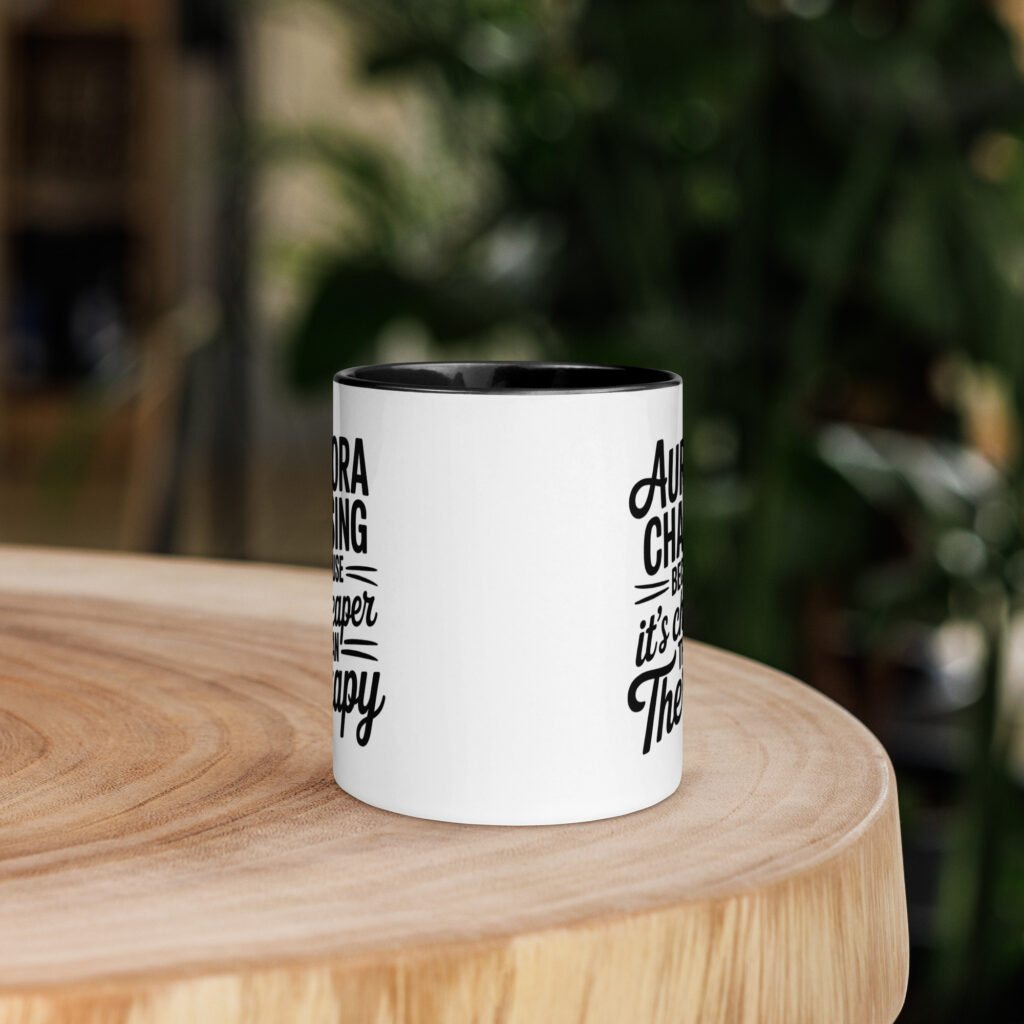
Price range: $17.95 through $19.95


Price range: $29.95 through $37.95
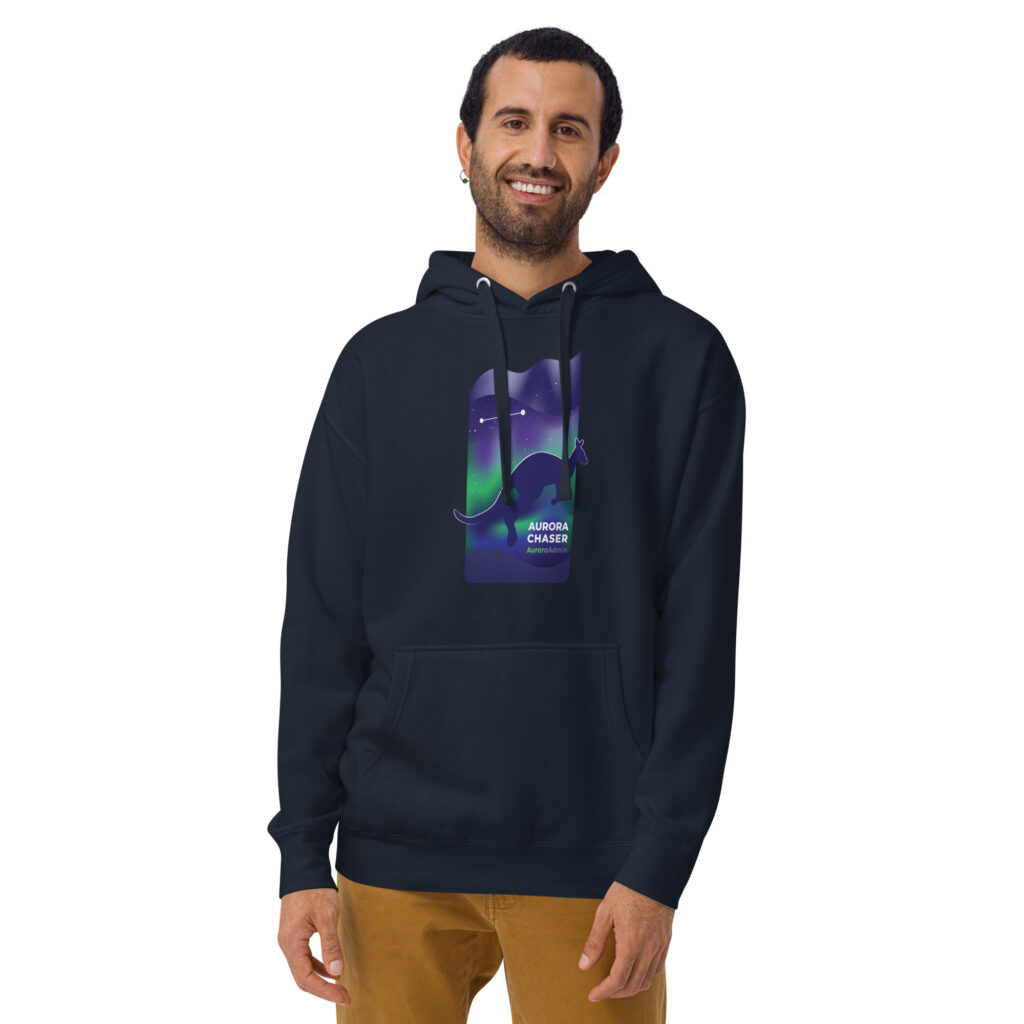
Price range: $38.95 through $44.95
Preparation makes the difference between missing the display and capturing memories.
Aurora displays happen at night. During the day, position yourself for evening success while exploring Sydney's southern coastal areas.
Pilgrims Cronulla opens at 7am for coffee, making it perfect for post-aurora breakfast. After shooting aurora at Cronulla Beach or Royal National Park, this walk-ins-only cafe provides early morning coffee when you need it most. Full breakfast service starts at 7am. The Cronulla location puts you right near the viewing spots. For Bundeena-side aurora chasers, Passionfruit, Cookie, and Manna overlook Hordens Beach minutes from the Cronulla-Bundeena ferry wharf.
Royal National Park and Jibbon Beach require daytime reconnaissance. Take the Cronulla-Bundeena ferry during daylight hours. The 20-minute ferry ride runs hourly. Download the NPWS app for offline Royal National Park maps before you go. Walk the coastal track to Jibbon Beach during afternoon light. Locate the unmarked side path to the hidden platform — the turnoff is easy to miss at night, so memorise exactly where it is during your daytime walk. Scout the terrain and sight lines. At Cronulla Beach, check tide times on WillyWeather. Some viewing positions work better at low tide. By evening, you'll know exactly where to set up.
RENTaCAM Sydney at St Peters specializes in astrophotography equipment. They rent Sky-Watcher Star Adventurer star trackers, astro-specific cameras, wide-angle lenses, and tripods. Open 7am-5pm Monday through Friday, 7am-12pm weekends. Located at 3/396 Princes Highway. Call ahead to reserve equipment — weekend pickups require a pre-arranged booking, so don't show up on a Saturday morning without confirming in advance. Camera Hire Alexandria at Unit G2, 46-62 Maddox Street also offers cameras, lenses, and tripods. Open 7am-6pm weekdays and 7am-3pm Saturdays. Closed Sundays — plan your return accordingly if you're shooting Saturday night into Sunday morning.
Sydney Observatory on Observatory Hill runs public tours with telescope viewing Wednesday through Saturday, 2pm to 10pm. Look through powerful telescopes at planets, the Moon, and deep sky objects. Sessions fill quickly. Booking required, especially on clear nights. The heritage observatory also features a planetarium and astronomy exhibitions. Sutherland Astronomical Society at Green Point Reserve in Oyster Bay is the closest astronomy group to southern viewing locations. They host public open nights and member observing sessions.
Sydney winter nights get cool at coastal locations. Wear warm layers including a windproof jacket. Blue Mountains locations get significantly colder. Bring a thermos with hot coffee or tea.
Pack your camera or smartphone with fully charged batteries. Cold drains batteries fast. Bring spares. A tripod or stable surface is essential for long exposure photography.
A red flashlight preserves your night vision. Red light doesn't interfere with seeing the aurora.
Bring a blanket or camping chair. Aurora displays can last one to three hours.
Modern smartphones capture aurora photos. Enable night mode in your camera settings. Most recent iPhones and Android devices have this built in.
Use a tripod or prop your phone against something stable. Any movement blurs the image.
Set exposure time to 3-15 seconds. Experiment and see what works.
Turn off flash completely. Flash does nothing for aurora photography.
Point toward the southern horizon. Use your phone's widest lens setting.
Take lots of photos. What looks faint to your eyes might show vibrant colors in the camera.
Tell someone where you're going. Especially when heading to Royal National Park at night. Cell service can be spotty in some areas.
Watch for wildlife. Royal National Park has active nocturnal animals. Drive carefully.
Park safely at beach locations. Some areas have restricted parking after dark.
If you're planning a dedicated aurora trip, consider staying near Cronulla or Bundeena for quick access to dark sky locations. Cronulla hotels and Airbnbs put you minutes from the beach and the Royal National Park ferry. You can get aurora alerts and be set up in minutes.
Blue Mountains accommodation in Blackheath or Katoomba gives you high-altitude dark sky access while enjoying the mountain township atmosphere. Book ahead during winter months when aurora activity peaks.
Yes, you can see the southern lights in Sydney during exceptionally strong geomagnetic activity. Sydney sits at 34°S latitude. Only the most powerful solar storms push aurora australis visibility this far north. Solar Cycle 25 peaked in late 2025 to early 2026, and elevated activity is continuing. Sydney photographers have captured aurora from Cronulla, Royal National Park, and Blue Mountains during major storms.
The best time of year to see aurora australis in Sydney is during winter months from May through August. However, real-time solar wind conditions matter most. Strong coronal mass ejections can create visible displays any time of year. Solar Cycle 25 peaked in late 2025 to early 2026, and activity remains elevated. Our real-time alerts catch displays whenever conditions align.
For the best aurora viewing near Sydney, head to southern coastal locations like Cronulla Beach or Royal National Park areas including Bundeena and Jibbon Beach. Maroubra Headland and La Perouse offer alternatives. For elevated viewing, try Stanwell Tops or Blue Mountains locations. The key is escaping Sydney's intense light pollution and finding clear southern horizons.
You know when aurora is happening in Sydney tonight by monitoring real-time solar wind conditions and signing up for Sydney aurora alerts. Traditional Kp index reports three-hour-old data. Real-time monitoring watches solar wind as it reaches Earth right now. Our alerts give you 30-60 minutes advance warning before displays become visible from Sydney, so you have time to grab your camera and drive to Jibbon Beach or Cronulla before the show starts.
Yes, you can photograph the aurora with your smartphone using night mode. Modern smartphones have capable night photography. Use a tripod or stable surface. Enable night mode and let the camera expose for 3-10 seconds. Turn off flash. The camera captures colors your eyes might miss. Smartphone photos from dark locations can be stunning.
To know if you can see the aurora tonight in Sydney, check real-time solar wind conditions rather than forecasts. Our alerts monitor current solar wind data and notify you 30-60 minutes before exceptional displays become visible from Sydney. Sign up for Sydney-specific alerts to get notified whenever conditions align tonight or any night. Traditional forecasts can't tell you about tonight with certainty because aurora displays develop in real-time based on solar wind reaching Earth right now.
Sydney sees the southern lights rarely compared to Tasmania or Victoria. Only the strongest storms produce visible displays. During the current solar maximum period, Sydney can expect several visible aurora australis events annually when geomagnetic activity peaks. These require Kp 7 or higher to be reliably visible from Sydney's latitude. Our Sydney aurora alerts ensure you don't miss these rare opportunities when conditions align.
Be in the know with real-time monitoring for Sydney's latitude. SMS alerts 30-60 minutes before displays begin.
Aurora forecasting has changed. We use modern technology to give you better information faster.
Traditional aurora forecasts rely on the Kp index. That's a three-hour average that can miss rapid spikes in geomagnetic activity. For Sydney at 34°S, a Kp of 7 or higher is generally the threshold where the southern lights become visible — but aurora displays can develop, peak, and fade faster than those averages update.
We monitor solar wind conditions as they happen. Right now. Satellites at the L1 Lagrange point, about 1 million miles from Earth, send us data. We see what's coming 30-60 minutes before it arrives. That's when we send your alert.
We don't look at just one number. Our algorithm checks multiple pathways. Bz component (southward magnetic field direction). Solar wind speed. Particle density. Magnetometer readings from multiple sources.
When all pathways indicate exceptional aurora conditions reaching Sydney, you get an alert.
This comprehensive approach catches displays that single-metric forecasts miss. When conditions align, Sydney aurora chasers get outside. Hundreds have captured the moment.
Our founder's background as an instrumentation technician in Alberta's energy sector provides unique expertise. Understanding how satellites measure conditions 150 million kilometres away and translating that into an accurate aurora forecast Sydney can rely on requires specialised knowledge. We're not repackaging old data with pretty interfaces. We're doing the actual analysis.
Our proprietary algorithm delivers aurora SMS alerts even with weak cell signals. This matters when you're at Jibbon Beach, Royal National Park, or Blue Mountains locations where cell coverage is spotty. Regular apps need strong data connections. Our SMS alerts get through.
You're not just getting alerts. You're joining a community of curious people who value authentic experiences. People who love nature. Who want to share wonder with friends and family. Who create memories that last forever.
The aurora doesn't follow the news cycle. It happens when real-time solar wind conditions align. We help you catch it when it actually occurs.
Stop relying on outdated forecasts. Get Sydney aurora alerts before the display arrives.
We monitor solar wind conditions in real-time from satellite data at the L1 Lagrange point, about 1 million miles from Earth. When conditions indicate aurora visibility for Sydney, you get an SMS alert. Our proprietary algorithm accounts for Sydney's northern latitude. You only get alerts for truly exceptional events visible from your location.
Tell us where you are. Sydney CBD? Southern beaches? Blue Mountains? We customize alerts based on your specific location. You won't get false alarms for displays only visible from Tasmania. You get alerts when Sydney has a real chance.
When solar wind conditions align for Sydney visibility, your phone buzzes. You have time to grab your camera and drive to Cronulla or Royal National Park. Join hundreds of Sydney aurora chasers who rely on our alerts.
Less than a latte. Way better than missing the lights!
Everything you need to catch the auroras at your location.
Less than a fast food meal. Never miss a display.
Lock in your alerts for a full aurora season and save.