
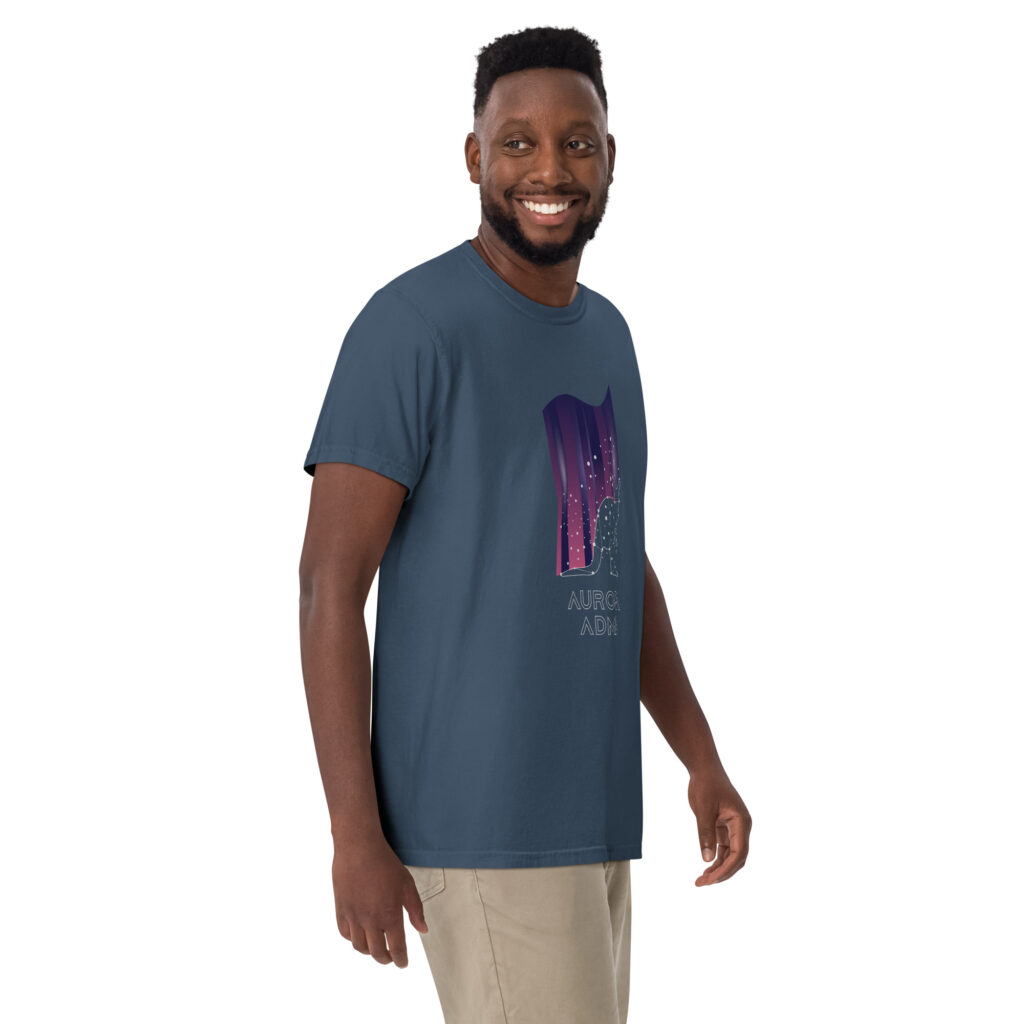
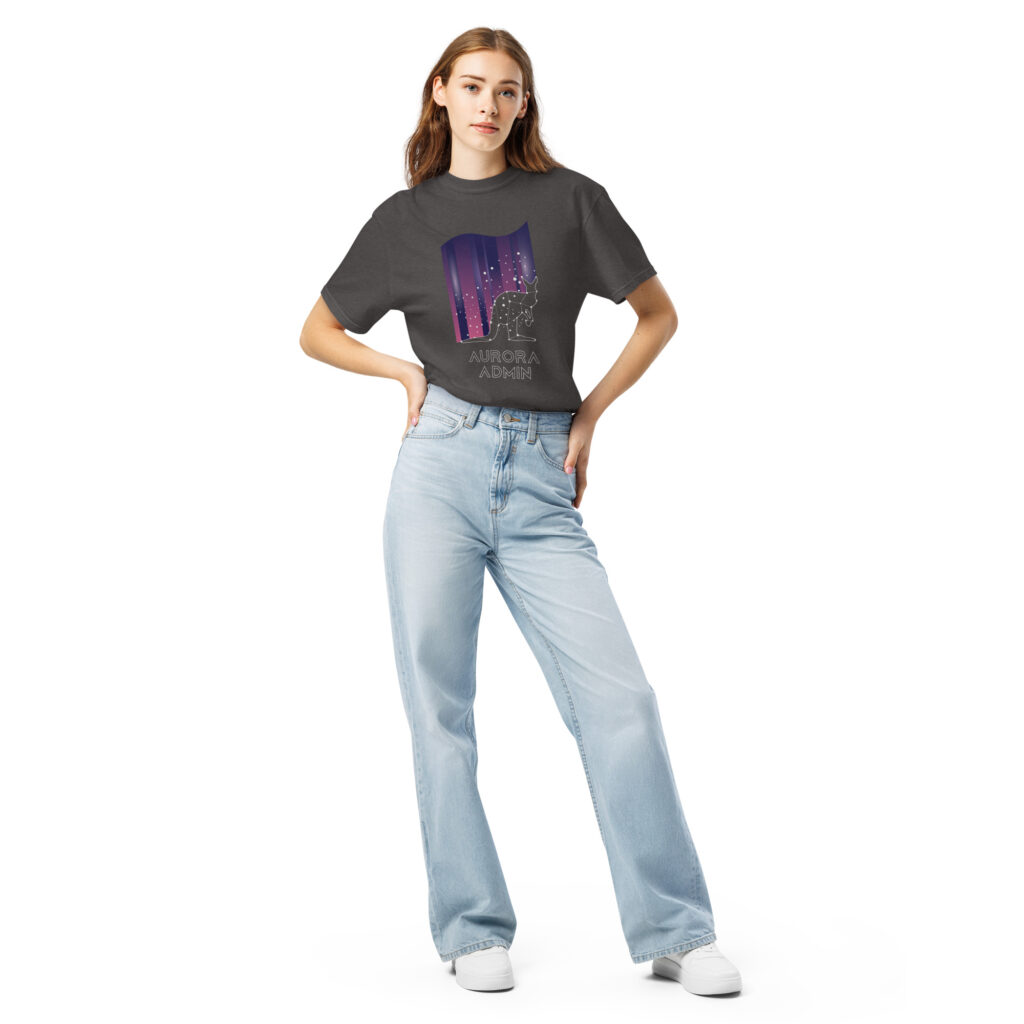
Price range: $29.95 through $37.95
Select options
This product has multiple variants. The options may be chosen on the product page
Substorm Phase: Quiet; Aurora Activity Score: 5/100
Stay ahead of the Northern Lights with real-time alerts. Subscribe now to receive a text or call whenever the aurora is active—so you never miss a moment of the show.
Can you see the aurora australis in New South Wales? Yes, during strong solar storms. NSW sits further north than Victoria or Tasmania. But powerful displays reach New South Wales regularly. Most people have no idea the southern lights dance above their state. Wondering if you can see them tonight? Real-time solar wind monitoring gives you the answer.
Recent displays lit up NSW's southern sky. Photographers captured stunning colors from the South Coast, Snowy Mountains, and even greater Sydney. Our alerts gave them time to reach dark sky locations before the show started.
New South Wales sits between 28°S and 37°S latitude. During powerful geomagnetic storms, the auroral oval expands north. That's when aurora australis becomes visible from NSW. You need dark skies and clear southern horizons. The right coastal and mountain locations exist closer than you think.
Here's what to expect. Most NSW aurora displays appear sub-visual. Your eyes see a faint glow on the southern horizon. Maybe a subtle brightening that looks like distant light pollution. Your camera tells the real story. Long exposures reveal vivid greens, reds, and purples invisible to your naked eye. This is normal. Even during severe G4 geomagnetic storms, NSW viewers often see just a gentle glow while their cameras capture stunning curtains of color. Bring a camera. Trust the technology. The aurora is there.
Northern Hemisphere
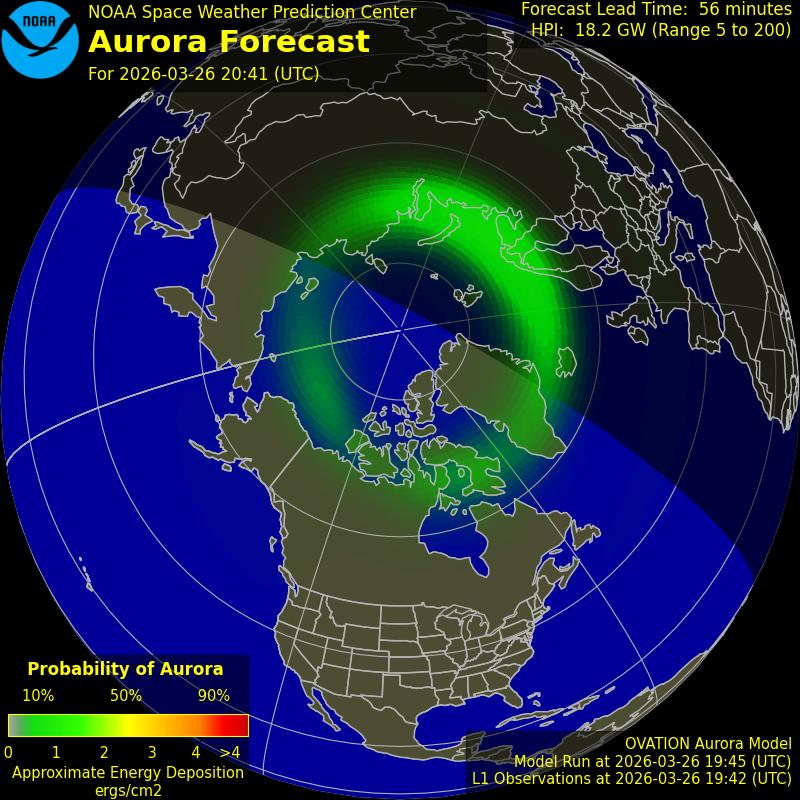
The aurora australis appears when charged particles from the sun hit Earth's magnetic field. Solar wind carries these particles across 93 million miles of space. When conditions align, the magnetosphere funnels them toward the poles. This creates glowing curtains of light in our upper atmosphere.
Coronal mass ejections can make displays even more intense.
NSW's location means you need stronger geomagnetic activity than Tasmania. But major solar storms push aurora visibility this far north several times each year. The auroral oval typically sits around 66°S latitude. During the strongest storms, it expands dramatically northward. New South Wales sits in the path of these expansions.
Here's why most people miss them. Traditional forecasts rely on the Kp index. That's a three-hour average of geomagnetic activity. Not what's happening now.
The sun doesn't wait for old data. By the time Kp updates, the display might be over.
We monitor real-time solar wind conditions from the Space Weather Prediction Center and other sources. We watch the Bz component (magnetic field direction). We track wind speed and density. We check magnetometer readings. All in real time. Not hours later.
Our real-time monitoring catches displays as they develop. You get alerts while there's still time to reach the coast or mountains.
NSW offers diverse dark sky locations from coastal beaches to mountain peaks. The key is escaping Sydney's light pollution and finding clear southern horizons.
The NSW South Coast delivers the state's best aurora viewing. Drive south from Sydney toward the Victorian border. You'll find numerous spots with southern ocean exposure and minimal light pollution.
Green Cape Lighthouse sits at NSW's southeastern tip near Eden. This location provides stunning dark sky views over the Tasman Sea. Drive to the lighthouse via Light Station Road. Park at the main visitor area. Walk south to the coastal lookout points. The elevation and ocean views create perfect aurora conditions.
Jervis Bay Area near Hyams Beach offers excellent dark skies. While Hyams Beach itself faces east across Jervis Bay, nearby Cave Beach and Bherwerre Beach provide better southern horizon views. For the clearest southern ocean exposure, head to Governor's Head lookout. Park at the Booderee National Park access points. These locations combine minimal light pollution with direct southern views. During strong displays, the Jervis Bay area delivers.
Merimbula provides excellent viewing from the southern NSW coast. While Main Beach faces east-southeast, Short Point and Pambula River Mouth offer unobstructed southern horizon views. These locations provide some of the best vantage points in NSW during strong aurora nights. Park at the coastal access points. Find spots away from town lights for the darkest skies.
Tathra offers relaxed coastal access with low surrounding development. While the main beach faces east, Tathra Headland and lookouts toward Bournda National Park provide excellent southern horizon views. Park at the headland or beach access points. The area's dark skies and elevated coastal positions make it excellent for NSW aurora chasers.
Local secret: Skip the main Green Cape Lighthouse viewing area. Head instead to the old telegraph station ruins. Drive to Green Cape as usual. But instead of stopping at the lighthouse parking, continue 400 meters south on the dirt track. Look for the weathered concrete foundation and rusted metal poles marking the old telegraph station site.
Park at the small clearing. Walk 50 meters east through coastal scrub to the rocky headland. You'll see why local South Coast photographers gather here. Perfect southern ocean exposure. Zero artificial light. Rocky foreground perfect for aurora photography. The ruins add dramatic interest to your shots. During aurora events, you might spot one or two tripods. But almost nobody knows about the old telegraph station. The main lighthouse viewing area gets crowded. This spot stays empty.
Terrain & Safety: The dirt track requires careful driving. The coastal scrub path leads to exposed rocky headland. Watch for cliff edges in darkness. The rocky platforms provide stable footing when dry but can be slippery. Scout the telegraph station ruins and cliff line during daylight before attempting night photography. The exposed coastal position can be very windy. Secure tripods with extra weight. Cell reception is limited. Tell someone where you're going.
The Snowy Mountains combine high altitude with minimal light pollution. Towns like Jindabyne and Thredbo offer excellent aurora opportunities during strong displays.
Lake Jindabyne provides multiple dark sky access points. Drive to the lake's southern shore. Park at designated lookouts. The elevation advantage helps. Mountain areas experience significantly darker skies than coastal Sydney. During aurora events, the southern horizon lights up beautifully.
Thredbo offers high-altitude viewing with clear southern exposure. Off-season visits provide the darkest conditions. Park near the village. Walk to elevated spots with southern views. The mountain location delivers crystal-clear skies perfect for aurora hunting.
Warrumbungle Dark Sky Park near Coonabarabran offers Australia's first designated Dark Sky Park. The region's astronomical importance means exceptional dark sky protection. At approximately 31°S latitude, aurora viewing here requires extreme geomagnetic storms (G4 or G5 level). During these rare but powerful events, aurora may appear very low on the southern horizon and often appears sub-visual (visible primarily through camera sensors). The park's protected dark skies make it valuable for aurora photography during major solar events.
Orange, Bathurst, and Mudgee provide dark sky access within reasonable driving distance from Sydney. These Central West locations balance accessibility with reduced light pollution. Find elevated spots with southern exposure. During strong displays, Central West NSW catches the show.
Royal National Park provides the darkest skies within reach of Sydney. Skip the valley at Audley. Instead, head to Wattamolla or Garie Beach. These coastal spots offer a clear window to the southern ocean. Park at the beach access areas. Walk to positions with unobstructed southern horizon views. For those in Bundeena, hike out to The Balconies or Jibbon Head to clear the headlands and escape the city's northern light glow. The park's protection from urban development creates valuable dark sky corridors.
Stanwell Tops offers a famous clifftop vantage point south of Sydney. The elevation advantage helps you see over coastal haze. However, the lights of Wollongong and Port Kembla sit directly to the south. This Illawarra light pollution creates noticeable light spill on the southern horizon. During powerful G4+ events, the aurora is strong enough to pierce through this interference. Park at the Stanwell Tops lookout. The accessible location makes it popular during major solar events.
We built our service to work with minimal internet connection. With a weak connection we can still send you substorm alerts to your phone via SMS.
Winter months from May through August offer the best chances. Longer nights provide more viewing hours. Cold, clear winter skies deliver optimal conditions. June and July typically provide the darkest skies.
The equinox months also bring opportunities. March and September often coincide with increased geomagnetic activity. Aurora displays frequently pick up during these transitional periods.
Time of night matters. Aurora displays typically peak between 10pm and 3am NSW local time. The most intense activity often happens between midnight and 2am. Set your phone alerts to wake you. Missing the peak because you went to bed early is frustrating.
Moon phase affects visibility. A bright full moon washes out fainter aurora colors. New moon periods offer the darkest skies. Our alerts account for moon brightness when calculating NSW visibility.
Weather conditions are critical. Clouds block everything. Cold, clear winter nights are ideal. Check NSW weather forecasts before heading out. If clouds are predicted, the aurora might be happening above them. But you won't see it.
Here's the truth though. Real-time solar wind conditions matter more than seasonal patterns. Aurora displays happen when conditions align. Not when calendars say they should. Our real-time monitoring catches displays whenever they develop. Any season. Any time.
Price range: $29.95 through $37.95
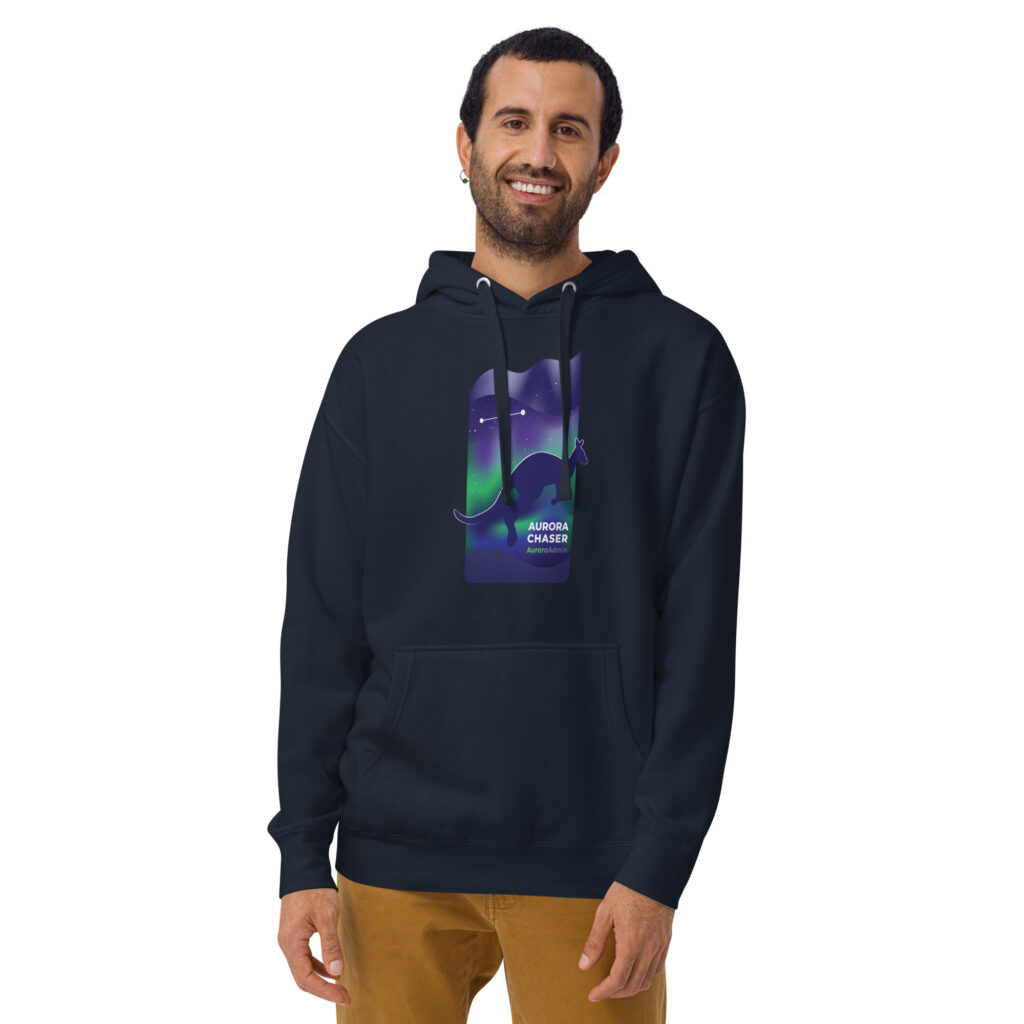
Price range: $38.95 through $44.95


Price range: $33.05 through $40.95
Yes, you can see the southern lights in New South Wales during strong geomagnetic activity. NSW sits between 28°S and 37°S latitude. During powerful solar storms, the auroral oval expands north. That's when aurora australis becomes visible from New South Wales. Recent displays proved this. NSW photographers captured southern lights from the South Coast, Snowy Mountains, and locations throughout the state.
The best time of year to see aurora australis in NSW is during winter months from May through August. Longer nights provide more viewing hours. The equinox months of March and September also bring increased opportunities. However, strong solar wind conditions can create displays at any time. Our real-time alerts work year-round to catch displays whenever they develop.
For the best aurora viewing in New South Wales, head to South Coast locations like Green Cape Lighthouse, Cave Beach or Governor's Head in Jervis Bay, Short Point in Merimbula, or Tathra Headland. The Snowy Mountains region around Jindabyne and Thredbo offers high-altitude dark skies. Warrumbungle Dark Sky Park provides protected dark sky conditions for extreme storm events. Central West locations like Orange and Mudgee work during strong displays. Even Sydney-accessible spots like Wattamolla and Garie Beach in Royal National Park catch powerful events.
You know when aurora is happening in NSW tonight by monitoring real-time solar wind conditions and signing up for location-specific alerts. Unlike the Kp index, which provides a three-hour average of geomagnetic activity, real-time monitoring watches solar wind as it reaches Earth right now. Our alerts give you 30-60 minutes advance warning before displays become visible from New South Wales, so you have time to grab your camera and drive to Green Cape or Jervis Bay before the show starts.
Yes, you can photograph the aurora with your smartphone using night mode or long exposure settings. In fact, your camera is essential for NSW aurora viewing. Most displays appear sub-visual to the naked eye. What looks like a faint glow or distant light pollution to your eyes often reveals vivid greens, reds, and purples through your camera. Modern smartphones have capable night photography modes. Use a tripod or stable surface. Enable night mode and let the camera expose for 3-10 seconds. Turn off flash. The camera will capture colors your eyes cannot see. This is normal for NSW's latitude. For best results, use a DSLR or mirrorless camera. But smartphone photos can be stunning.
To know if you can see the aurora tonight in New South Wales, check real-time solar wind conditions rather than forecasts. Our alerts monitor current solar wind data and notify you 30-60 minutes before displays become visible. Sign up for NSW-specific alerts to get notified whenever conditions align tonight or any night. Traditional forecasts can't tell you about tonight with certainty because aurora displays develop in real-time based on solar wind reaching Earth right now.
NSW sees aurora less frequently than Tasmania or Victoria but more often than Queensland. During solar maximum years like 2025-2026, strong displays visible from NSW happen several times annually. Southern NSW locations like the South Coast see displays more often than northern regions. Our alerts ensure you don't miss displays when conditions align.
Our real-time monitoring catches aurora displays as they develop. Get SMS alerts 30-60 minutes before aurora becomes visible from New South Wales.
Preparation makes the difference between missing the display and capturing memories that last forever.
Aurora displays happen at night. During the day, position yourself for evening success while exploring the NSW South Coast.
Fig Cafe and Bar in Eden opens at 6am Monday through Friday for post-aurora breakfast. One of the earliest opening cafes in the South Coast region, it's perfect for debriefing your aurora shots over coffee after driving back from Green Cape. The early hours make it popular with fishermen and photographers. For afternoon visits before evening shoots, Angels Bayside Cafe in Huskisson opens at 6:30am with waterfront views overlooking Jervis Bay. Se7en Cafe in Batemans Bay also opens at 6:30am with views over the river and bridge.
Jervis Bay and Green Cape deserve daytime visits before shooting there at night. Scout Cave Beach and Governor's Head in afternoon light to identify ideal shooting positions with clear southern horizon views. At Green Cape, drive the dirt track to the telegraph station ruins during daylight. Walk the coastal scrub path to the rocky headland. Check sight lines and cliff edges. This preparation makes nighttime access much safer and easier. Check tide times at WillyWeather or Seabreeze for coastal locations. Some spots like Hole in the Wall are tide-dependent.
RENTaCAM Sydney and Camera Hire Australia in Alexandria offer astrophotography equipment with overnight delivery to the South Coast. RENTaCAM specializes in astro gear. Camera Hire Australia stocks cameras, lenses, and tripods from major brands. Both services deliver equipment to Jervis Bay, Batemans Bay, Merimbula, and Eden. Book ahead for weekend shoots.
Jervis Bay Stargazing runs 90-minute astronomy tours led by an astrophysicist. Sessions include naked-eye astronomy, telescope viewing, and laser-guided constellation tours. Perfect daytime booking that adds scientific context for evening aurora viewing. Mount Stromlo Observatory in Canberra offers stargazing nights and behind-the-scenes tours with professional astronomers. Sutherland Astronomical Society at Green Point Reserve in Oyster Bay hosts public observing nights.
NSW winter nights get cold. Especially at coastal and mountain locations. Wear warm layers including a windproof jacket. South Coast and Snowy Mountains areas can be significantly colder than Sydney. Bring a thermos with hot coffee or tea.
Pack your camera or smartphone with fully charged batteries. Cold drains batteries fast. Bring spares. A tripod or stable surface is essential for long exposure photography.
A red flashlight preserves your night vision while helping you navigate safely. Red light doesn't interfere with seeing the aurora.
Bring a blanket or camping chair. Aurora displays can last one to three hours. You'll want to sit comfortably while watching.
Modern smartphones capture stunning aurora photos. This matters especially in NSW where most displays appear sub-visual. Enable night mode or long exposure mode in your camera settings. Most recent iPhones and Android devices have this built in.
Use a tripod or prop your phone against something stable. Any movement blurs the image.
Set exposure time to 3-15 seconds. Brighter displays need shorter times. Experiment and see what works.
Turn off flash completely. Flash does nothing for aurora photography except ruin your shots.
Point toward the southern horizon where the aurora appears. Wide-angle lenses capture more sky. Use your phone's widest lens setting.
Take lots of photos. The aurora changes constantly. What looks like a faint glow or barely visible brightening to your naked eye will often reveal vivid greens, reds, and purples in your camera. This is the NSW aurora experience. Your camera sees what your eyes cannot. During the January 2026 severe geomagnetic storm, many NSW photographers saw just a subtle glow with their eyes while their cameras captured brilliant curtains of color. Trust your camera. Keep shooting.
Tell someone where you're going. Especially when heading to remote South Coast or mountain locations late at night. Cell service can be spotty in some areas.
Watch for wildlife. Kangaroos and wombats are active at night throughout NSW. Drive carefully on rural roads. Particularly around the South Coast and Central West.
Check road conditions for Snowy Mountains locations. Winter driving requires preparation. Don't attempt mountain roads without proper vehicle equipment.
Stay on marked trails in national parks. Some areas have steep terrain. Cliff edges are dangerous in the dark.
NSW offers excellent accommodation options near aurora viewing locations. Staying on the South Coast at Merimbula, Tathra, Eden, or Jervis Bay puts you near dark sky beaches. When alerts arrive, you can reach viewing spots quickly.
Snowy Mountains accommodation at Jindabyne or Thredbo provides quick access to high-altitude viewing locations.
Aurora forecasting has changed. We use modern technology to give you better information faster.
Traditional aurora forecasts rely on the Kp index. That's a three-hour average of geomagnetic activity. Think about that. A three-hour average.
The sun doesn't wait. Aurora displays can develop, peak, and fade faster than Kp updates.
We monitor solar wind conditions as they happen. Right now. Satellites 93 million miles from Earth send us data. We see what's coming 30-60 minutes before it arrives. That's when we send your alert.
We don't look at just one number. Our algorithm checks multiple pathways. Bz component (magnetic field direction). Solar wind speed. Particle density. Magnetometer readings from multiple sources.
When all pathways indicate aurora conditions for NSW, you get an alert.
This comprehensive approach catches displays that single-metric forecasts miss. When all pathways align, our alerts go out. NSW aurora chasers get outside. Hundreds have captured the moment.
You're not just getting alerts. You're joining a community of curious, adventurous people who value authentic experiences. People who love nature. Who want to share wonder with friends and family. Who create memories that last forever.
The aurora doesn't follow the news cycle. It happens when real-time solar wind conditions align. We help you catch it when it actually occurs.
Stop relying on outdated forecasts. Get alerts before the aurora arrives.
We monitor solar wind conditions in real-time from satellite data 93 million miles away. When conditions indicate aurora visibility for NSW, you get an SMS alert. Our proprietary algorithm works even with weak cell signals. Perfect for remote South Coast and Snowy Mountains locations.
Traditional forecasts use the Kp index. That's retrospective data. We watch what's happening right now. Bz component direction. Solar wind speed. Particle density readings. Magnetometer data. This multi-pathway analysis gives you 30-60 minute advance warning.
Tell us where you are. Sydney? South Coast? Snowy Mountains? We customize alerts based on your specific location. You won't get false alarms for aurora displays only visible from Tasmania. You get alerts when New South Wales has a real chance.
When solar wind conditions align for NSW visibility, your phone buzzes. You have time to grab your camera and drive to the South Coast or mountains. Join hundreds of NSW aurora chasers who rely on our alerts.
Less than a latte. Way better than missing the lights!
Everything you need to catch the auroras at your location.
Less than a fast food meal. Never miss a display.
Lock in your alerts for a full aurora season and save.